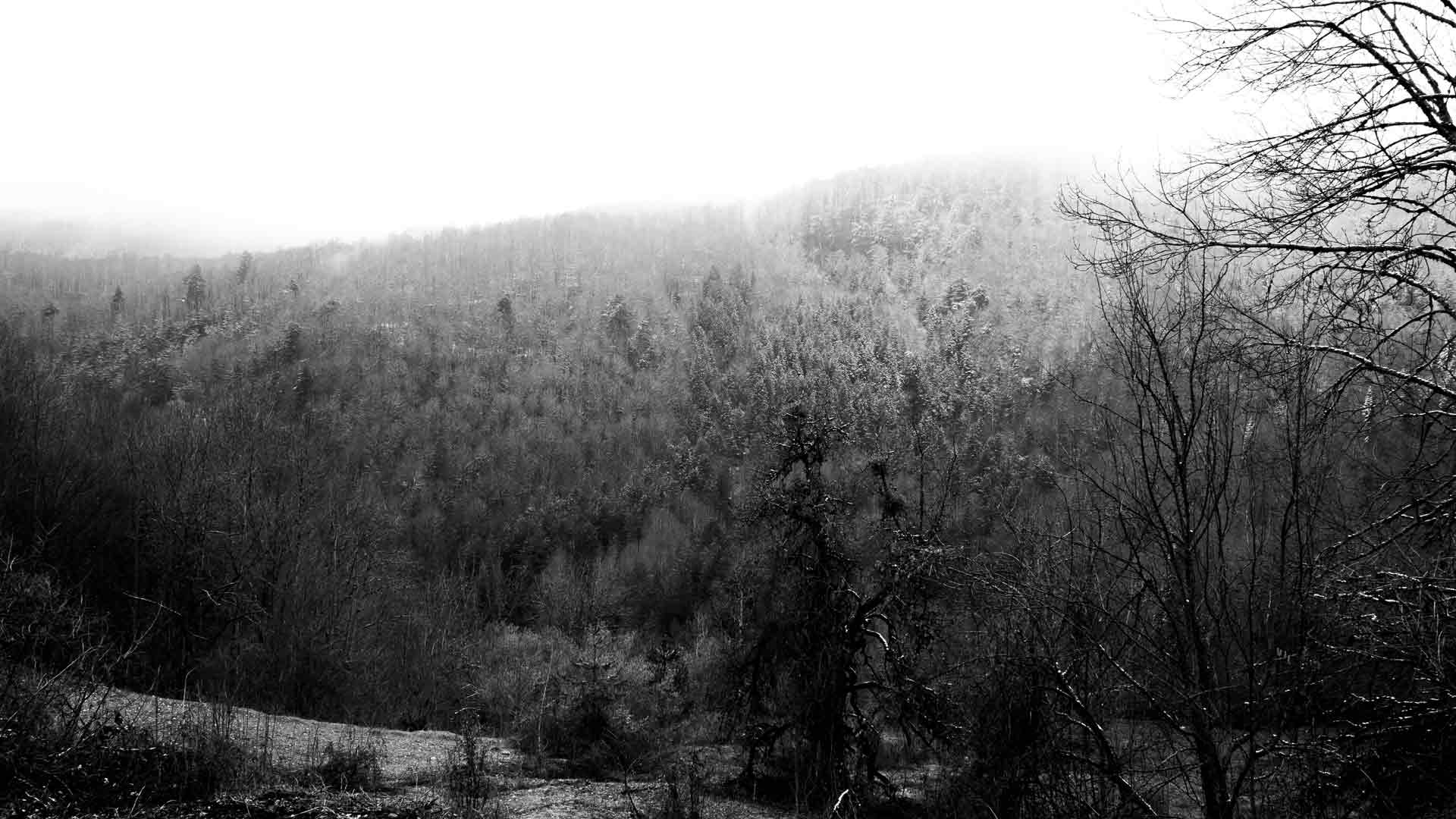

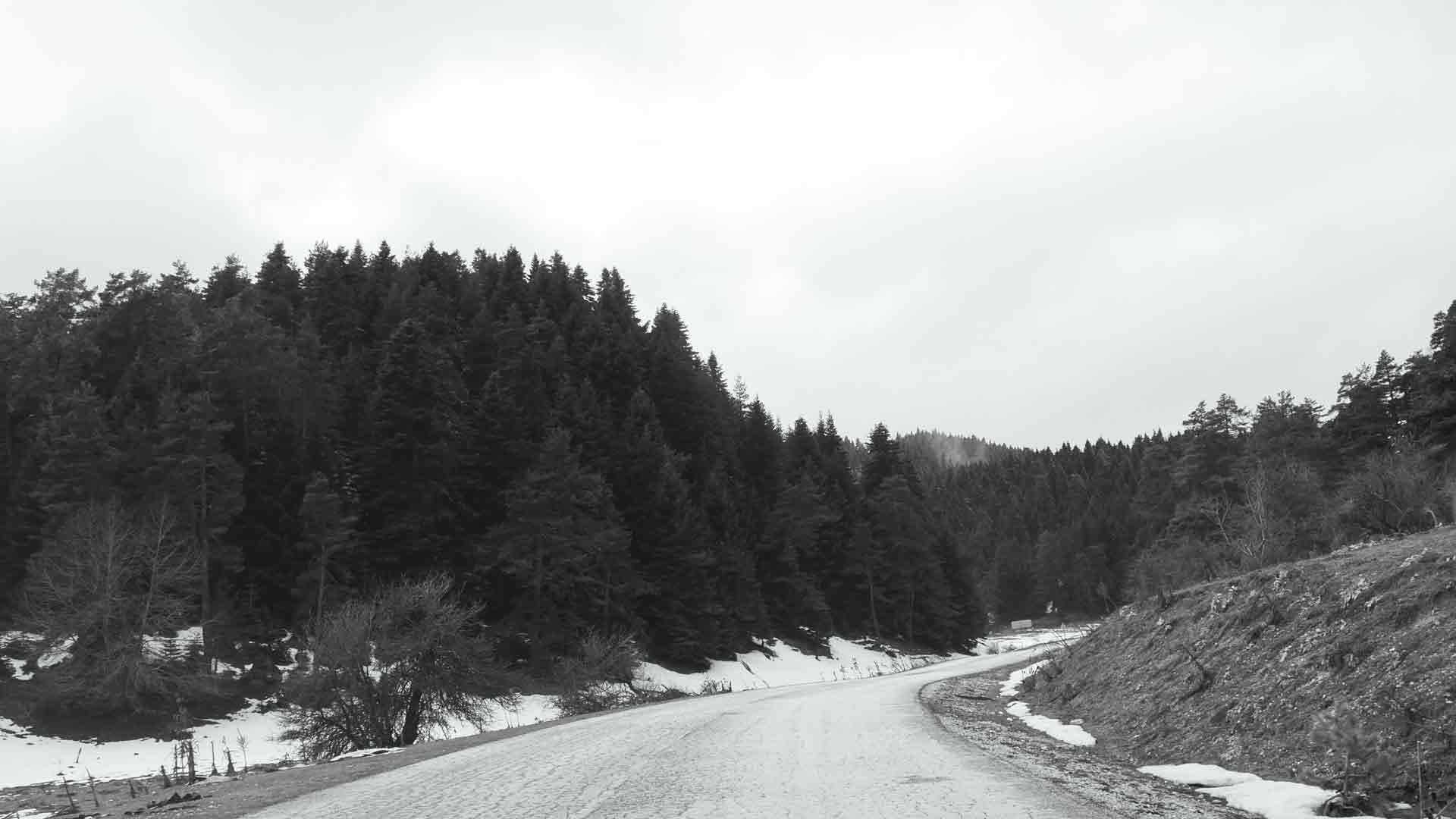
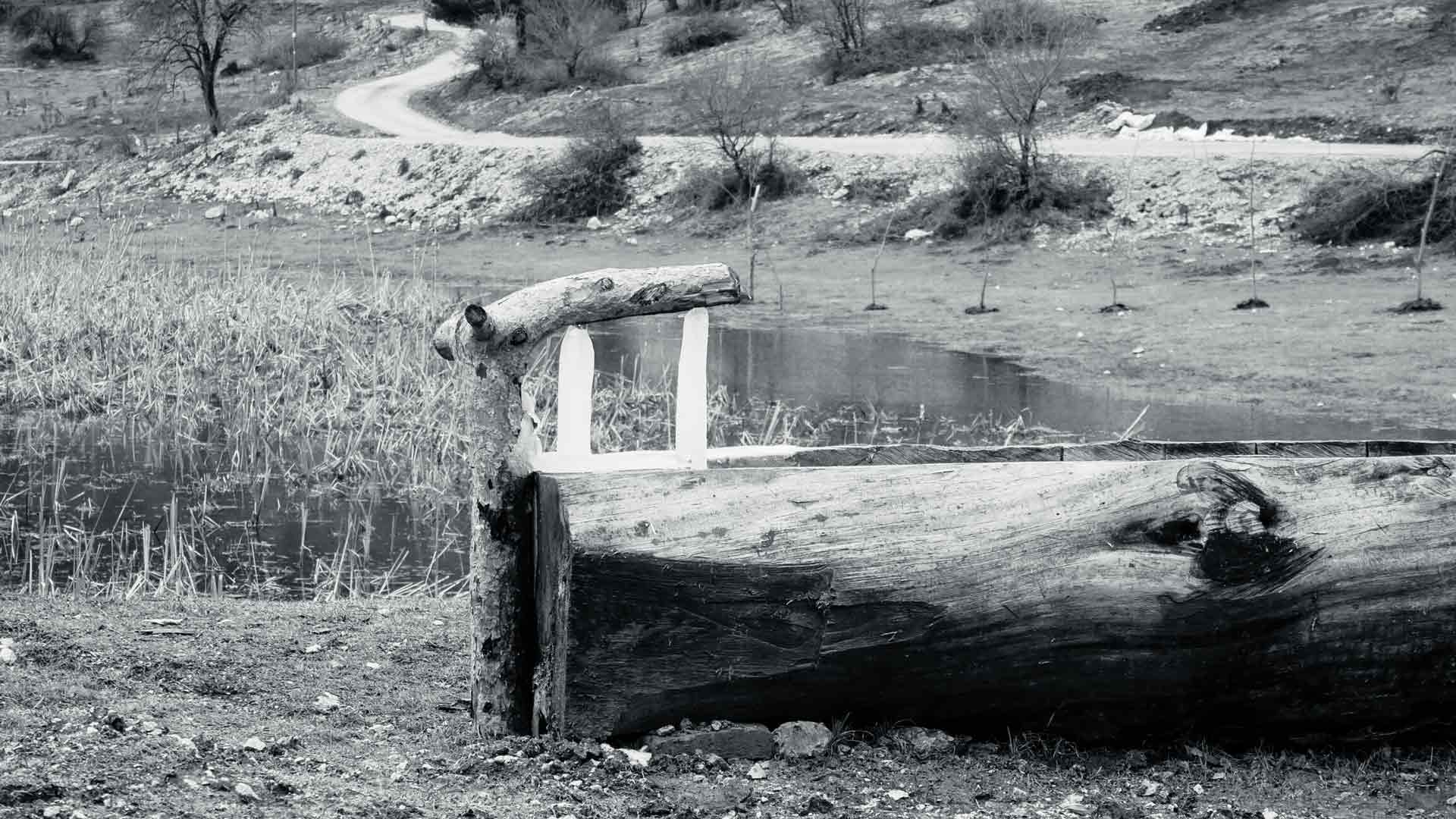
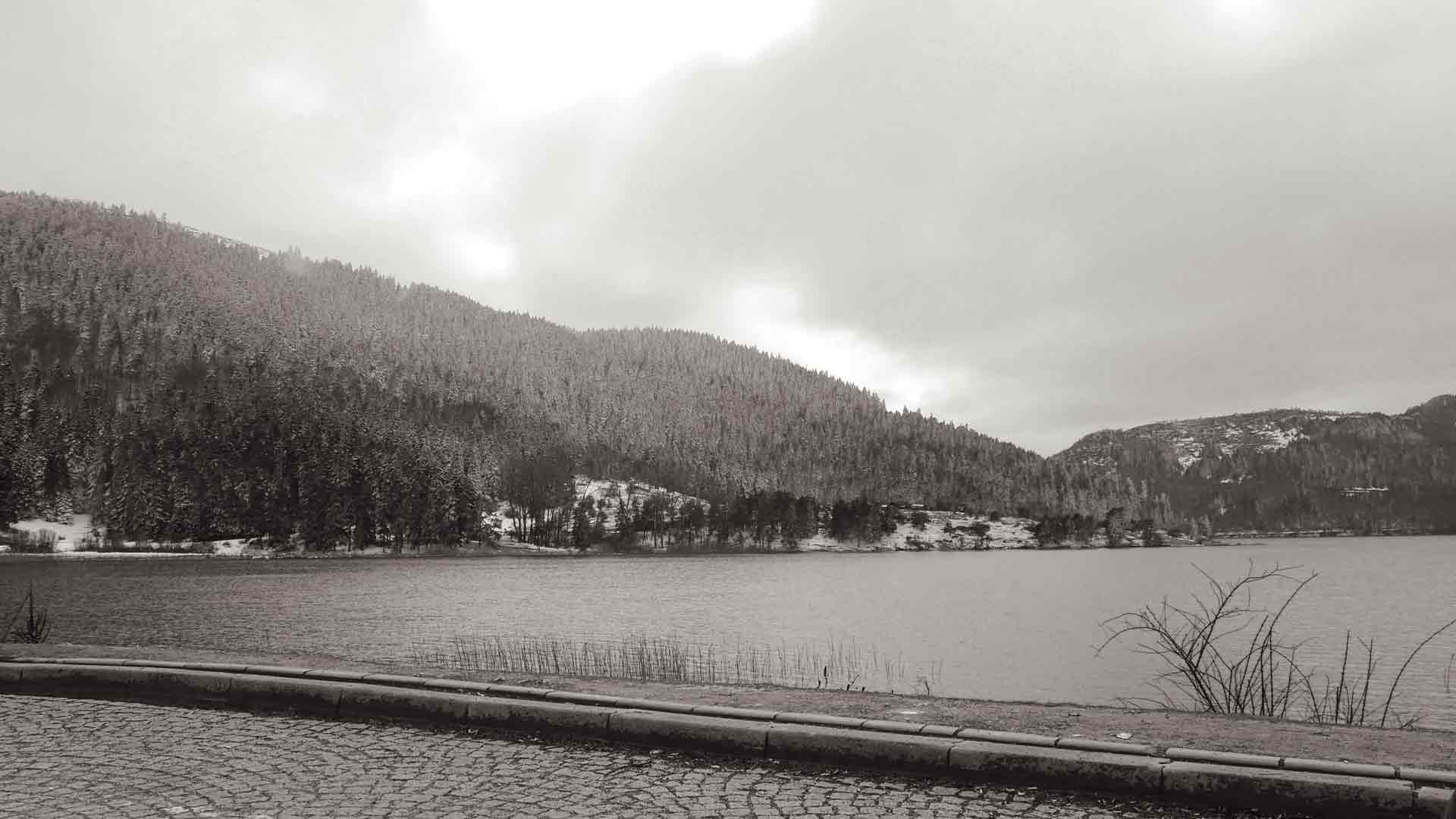
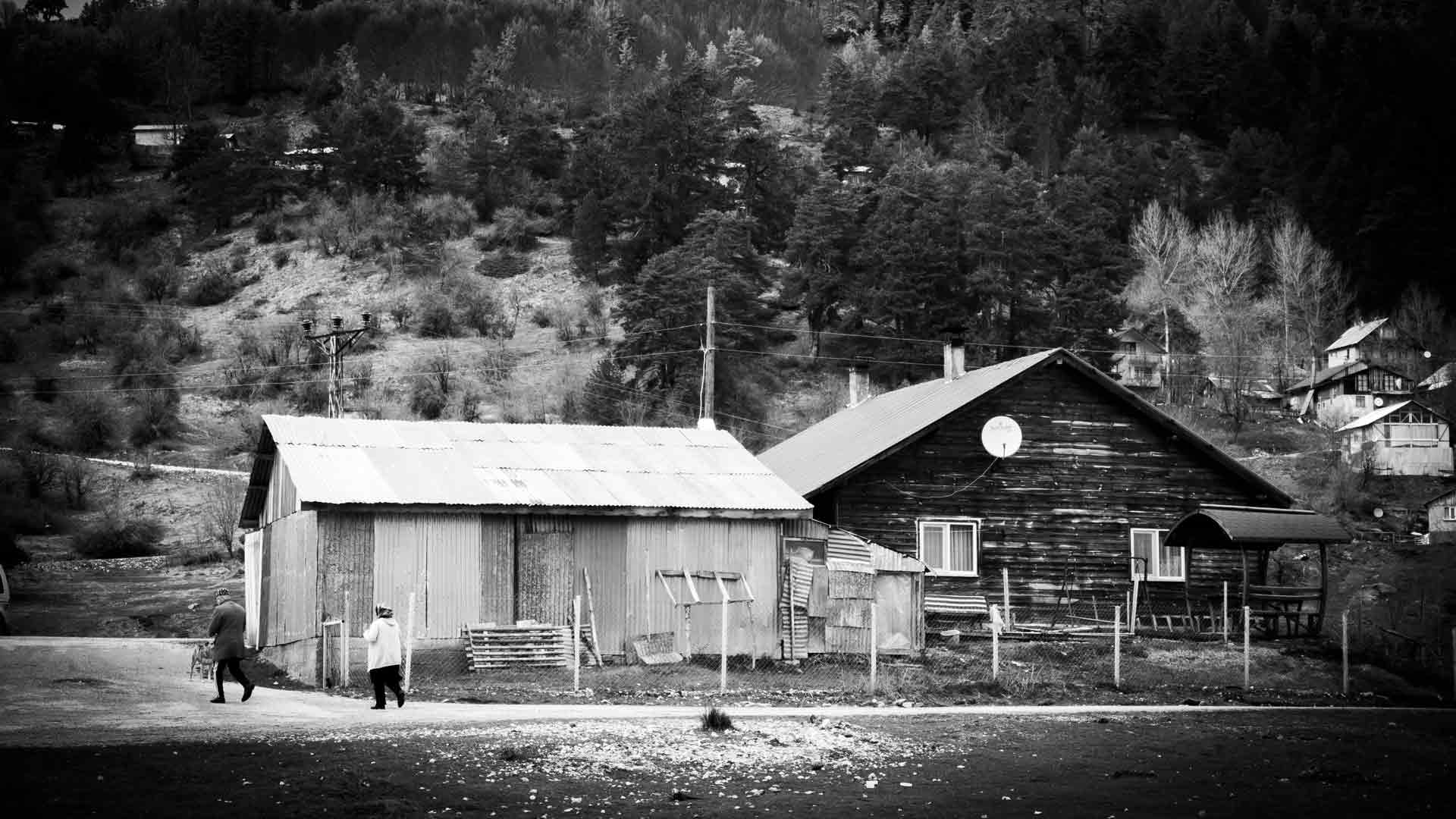
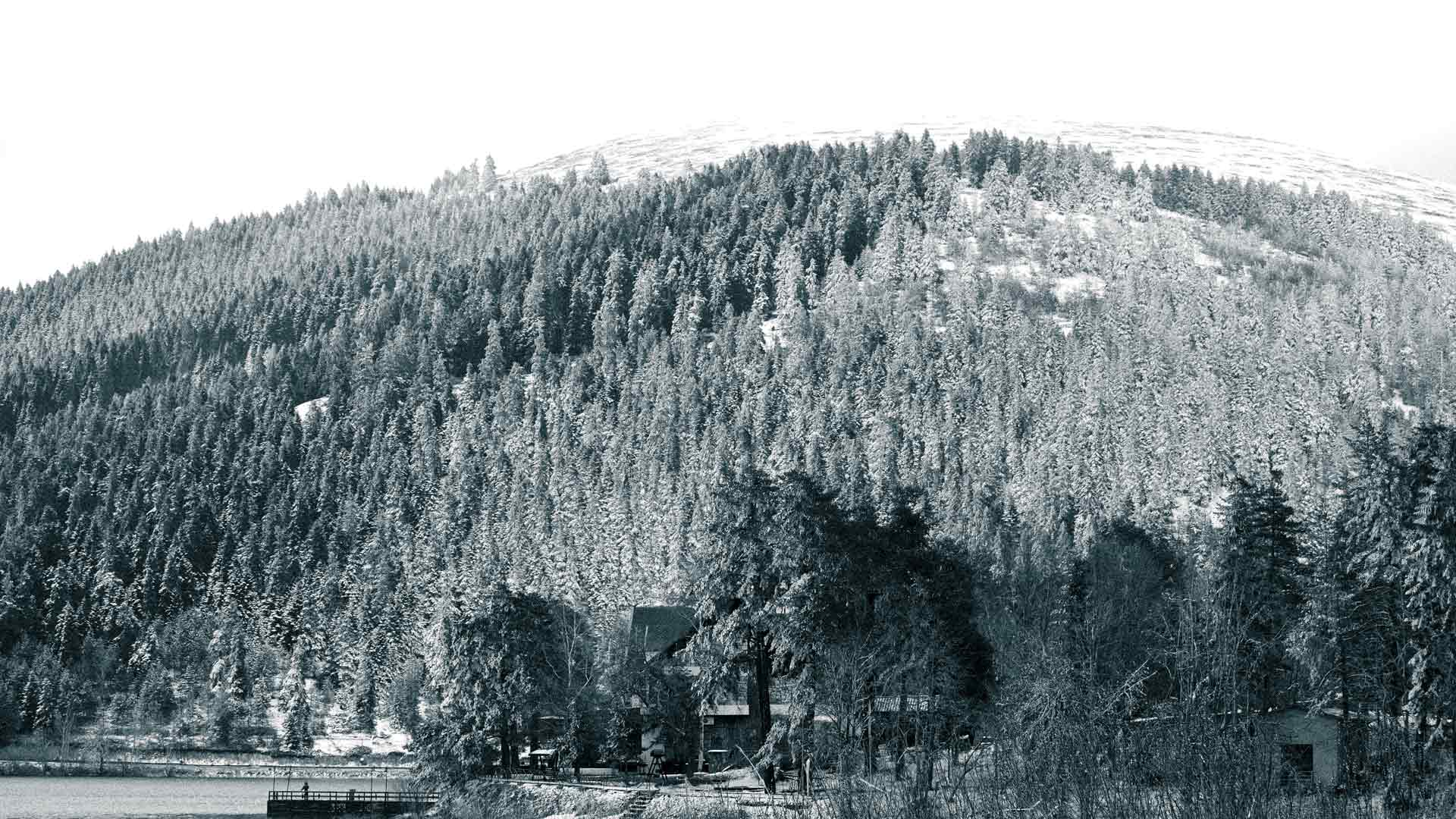
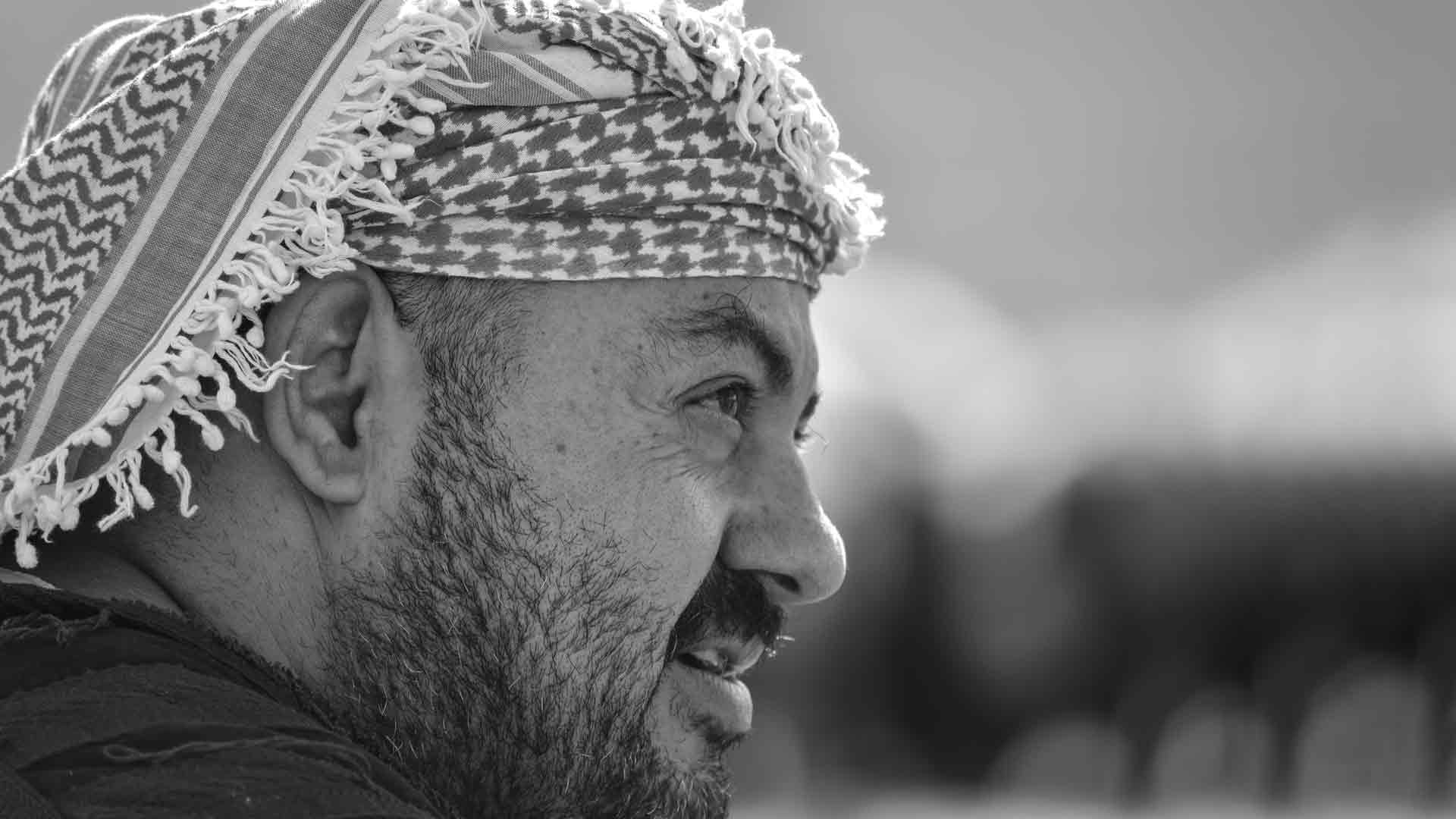
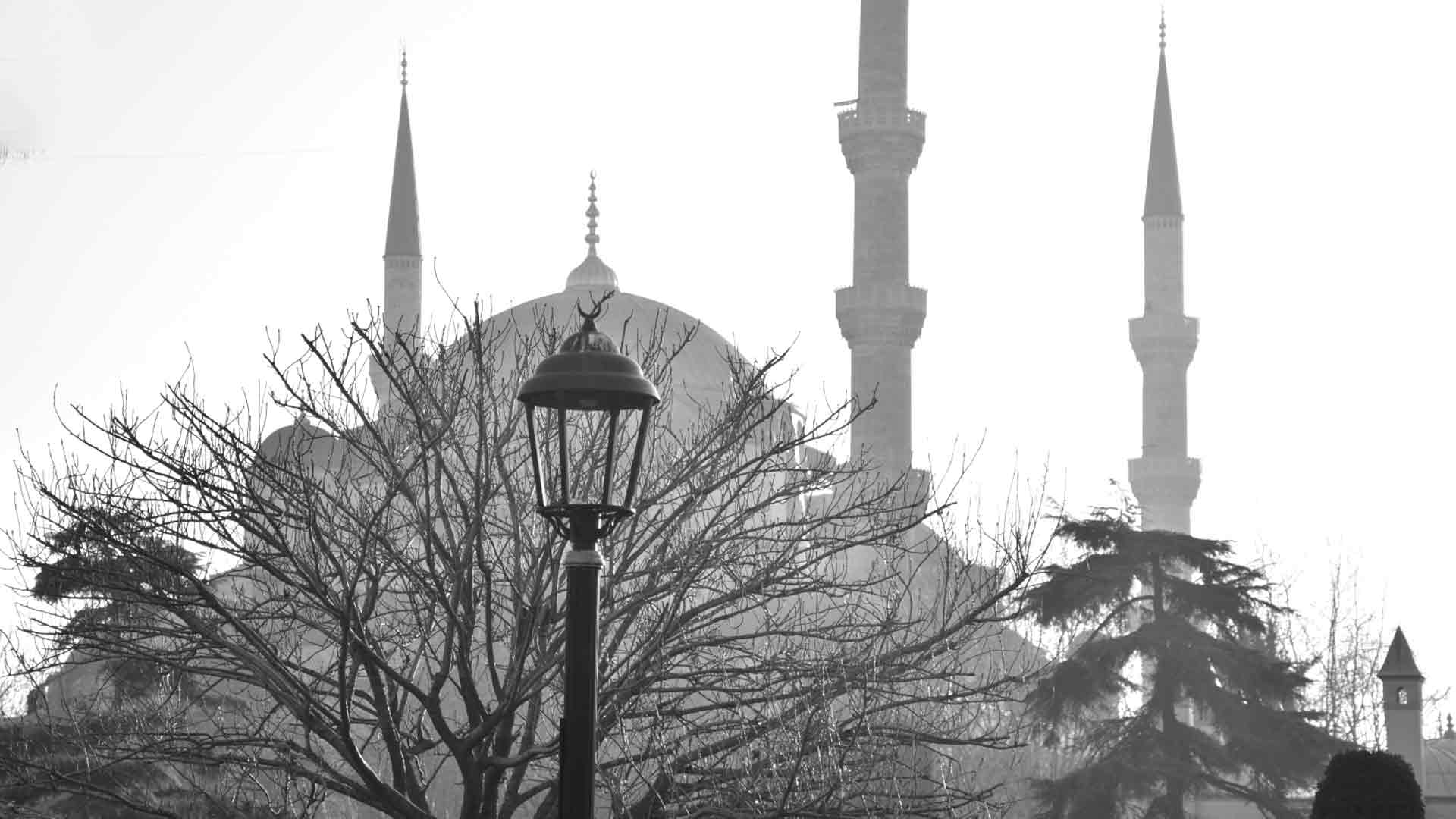
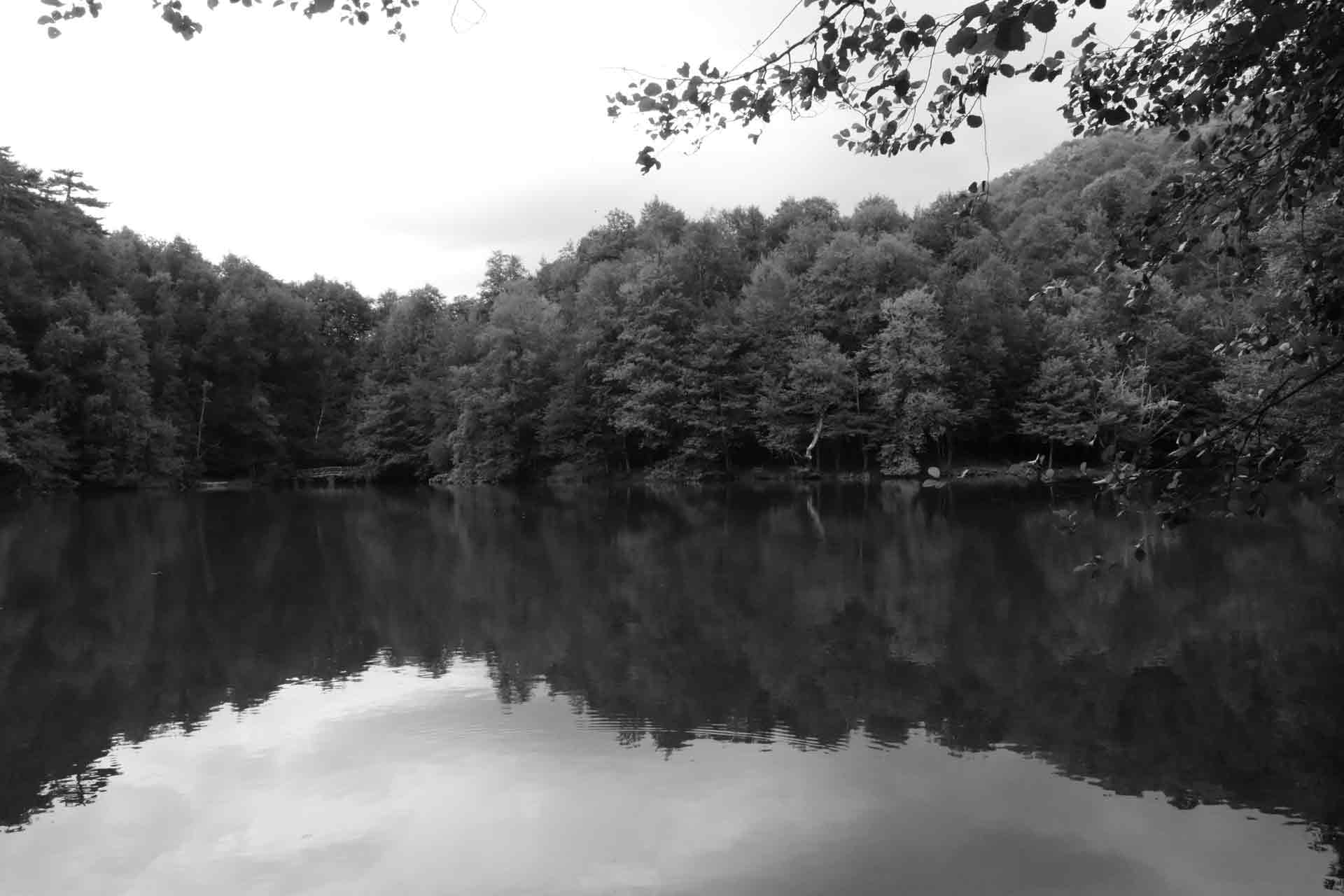

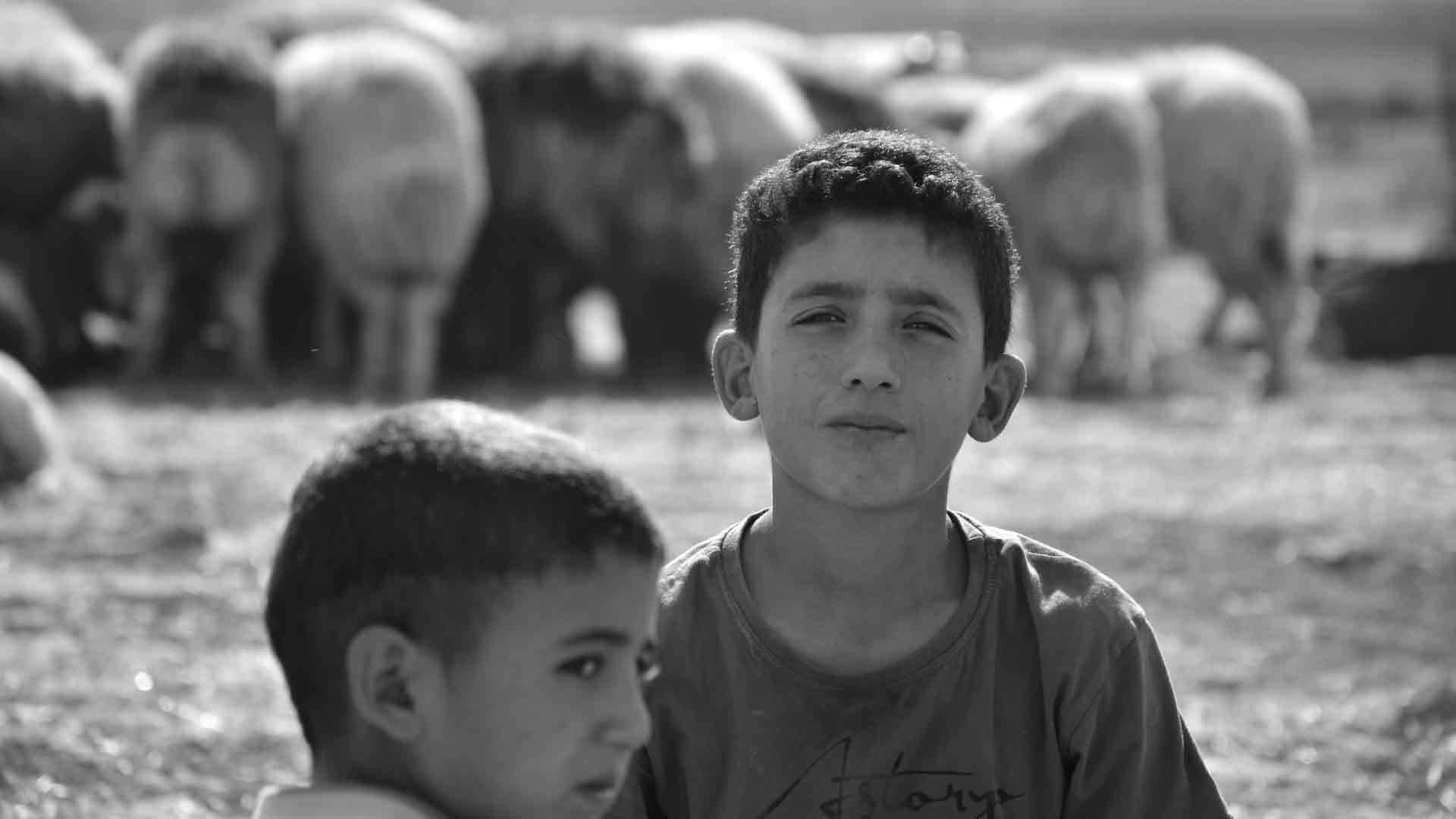

In a world saturated with vibrant hues, the timeless appeal of black and white photography stands as a testament to the power of simplicity and the enduring beauty of form, texture, and light. For photographers in Turkey and the Middle East, a region rich in historical depth, intricate patterns, and dramatic landscapes, monochrome offers a unique lens through which to explore and express. But truly excelling in black and white isn’t just about desaturating an image; it’s about seeing in monochrome from the moment you lift your camera. It’s about training your eye to perceive the world in shades of gray, to identify the elements that will translate powerfully into a grayscale masterpiece.
So, how do you cultivate this unique vision? How do you train your eye to see in the absence of color? Let’s embark on a journey to unlock the secrets of monochrome perception.
Beyond Color: Embracing the Language of Light and Shadow
The most fundamental shift in monochrome thinking is understanding that color, while a powerful tool in its own right, can often be a distraction. In black and white, your primary language becomes light and shadow.
- Light is Your Palette: Pay meticulous attention to the direction, quality, and intensity of light. Is it harsh midday sun creating deep, dramatic shadows, or soft, diffused light offering subtle gradations? Is it rim light highlighting contours, or backlighting creating powerful silhouettes? In monochrome, these variations in light become your colors, defining form and adding depth.
- Shadows Define Form: Shadows are not merely the absence of light; they are integral compositional elements. They can create leading lines, add mystery, emphasize texture, and define the shape of objects. Learn to see the interplay between light and shadow and how they sculpt your scene.
The Power of Contrast: Making Your Image Pop
Contrast is the lifeblood of black and white photography. It’s the difference between the brightest whites and the deepest blacks, and it’s what gives your images punch and visual interest.
- High Contrast for Drama: Scenes with strong differences between light and dark often translate well into high-contrast monochrome images, creating a sense of drama and power. Think stark architectural lines against a bright sky, or the harsh shadows cast by a desert sun.
- Low Contrast for Mood: Conversely, low-contrast scenes, where tones are more subtle and nuanced, can evoke a sense of calm, serenity, or even melancholy. This is often effective in foggy landscapes or portraits with soft, even lighting.
- Identifying Tonal Separation: Train your eye to differentiate between objects and areas based on their tonal values, rather than their color. A red apple on a green table might be distinct in color, but if they have similar tonal values, they could blend together in black and white. Look for subjects that naturally separate tonally from their background.
Texture and Pattern: The Unsung Heroes
Without color to differentiate elements, texture and pattern become paramount in monochrome photography. They add richness, detail, and visual intrigue.
- Embrace Texture: Seek out surfaces with interesting textures – the rough bark of a tree, the weathered stone of an old building, the intricate weave of a carpet in a Turkish bazaar. These textures, when rendered in shades of gray, become incredibly tactile and engaging.
- Discover Patterns: Look for repetitive elements and strong geometric shapes. The arches of an Ottoman mosque, the intricate tile work of a palace, the rhythmic lines of a bustling souk – these patterns are amplified in black and white, creating powerful compositions.
Composition: The Universal Language
While the absence of color might seem to complicate composition, the fundamental principles remain the same, and often, their importance is magnified.
- Simplify and Isolate: In monochrome, distractions become even more pronounced. Train yourself to simplify your scene, focusing on the core elements and eliminating anything that doesn’t contribute to your message. Use negative space effectively to isolate your subject.
- Leading Lines and Shapes: Emphasize strong leading lines, curves, and geometric shapes. These elements guide the viewer’s eye through the image and are often more apparent when stripped of color.
- Framing and Perspective: Experiment with different perspectives and use natural frames to draw attention to your subject. These techniques can add depth and context, particularly in historical settings prevalent across Turkey and the Middle East.
Practical Exercises to Sharpen Your Vision
Training your eye takes practice and conscious effort. Here are some practical exercises to help you along your monochrome journey:
- Shoot in Black and White (or Use a Monochrome Filter): While many cameras offer a black and white shooting mode, it’s often more beneficial to use a monochrome viewing filter on your camera’s LCD or EVF. This forces you to see in black and white before you press the shutter, helping you compose and evaluate the scene without the distraction of color. Alternatively, set your camera to shoot RAW and apply a monochrome picture style to your JPEGs; this gives you the black and white preview while retaining the full-color information in your RAW file for post-processing flexibility.
- Convert Existing Color Photos: Go through your archive of color photographs and convert them to black and white. Analyze which ones work well and, more importantly, why. Identify the elements that contribute to their success in monochrome.
- The “Squint Test”: When looking at a scene, squint your eyes. This blurs the color information and allows you to focus on the tonal relationships, helping you identify areas of strong contrast and separation.
- Observe Everyday Objects: Even simple objects around your home or office can be subjects for monochrome practice. Focus on their form, texture, and how light interacts with them.
- Study Master Photographers: Immerse yourself in the work of black and white masters like Ansel Adams, Henri Cartier-Bresson, Sebastião Salgado, and Turkish photographers like Ara Güler. Analyze their compositions, their use of light, and how they convey emotion without color.
The Unique Appeal for Turkey and the Middle East
For photographers in Turkey and the Middle East, the art of seeing in monochrome holds particular resonance.
- Historical Depth: The ancient ruins, historical architecture, and timeworn streets of this region gain a profound sense of timelessness when rendered in black and white. The intricate details of Ottoman design, the weathered stones of Roman theaters, or the majestic curves of a mosque all lend themselves beautifully to monochrome interpretation.
- Dramatic Landscapes: From the stark beauty of the Anatolian plateau to the desert vistas, the dramatic interplay of light and shadow on these landscapes is amplified in black and white, revealing the raw power and grandeur of the natural world.
- Cultural Richness: The rich tapestry of cultures, the expressive faces of the people, and the vibrant markets of the Middle East can be captured with a raw authenticity in monochrome. The focus shifts from the superficiality of color to the depth of character, emotion, and the narrative within the scene.
Conclusion
Training your eye to see in monochrome is not about abandoning color; it’s about adding another powerful dimension to your photographic vision. It’s about stripping away the superficial and focusing on the essence of your subject – the interplay of light and shadow, the richness of texture, the strength of composition, and the emotional resonance that transcends color. As you practice these techniques, you’ll begin to unlock a deeper appreciation for the world around you and, in turn, create black and white photographs that resonate with timeless beauty and profound impact, particularly in the visually rich tapestry of Turkey and the Middle East. So, pick up your camera, and start seeing the world in a whole new, monochromatic light.