
Sharpening Black and White Photos for Maximum Impact
In the world of photography, mastering the art of sharpening is a cornerstone of creating impactful images. This is especially true for black and white photography, where the absence of color places a greater emphasis on tone, texture, and detail. As a leading black and white photographer in the Middle East and Turkey, I’ve spent years honing my craft, and I’ve come to understand that effective sharpening is not just a technical process; it’s a creative decision that breathes life into an image, transforming it from a mere snapshot into a powerful statement.
Why Sharpening Is Crucial for Black and White Photography
Sharpening an image essentially enhances the contrast along edges, making them appear more defined. In a black and white photograph, this process is paramount because it helps to separate subjects from their backgrounds and brings out the subtle textures that define a scene. Without the aid of color to guide the viewer’s eye, the photographer must rely on light, shadow, and detail to tell their story. Proper sharpening ensures that these elements are crisp and clear, allowing the viewer to fully engage with the narrative of the photograph.
The Philosophy of Sharpening: Less is More
The goal of sharpening is to enhance, not to create. Over-sharpening can introduce artifacts, halos, and a grainy, unnatural look that detracts from the image’s aesthetic quality. The key is to find a balance—to add just enough sharpness to make the details pop without making the image look artificial. For documentary photography, this is particularly important. The goal is to present a truthful and authentic representation of a moment in time, and an over-processed image can undermine that authenticity.
Understanding the Different Types of Sharpening
There are two main types of sharpening that photographers use: capture sharpening and creative sharpening.
- Capture Sharpening: This is the initial sharpening applied to an image to correct for the inherent softness of a digital camera’s sensor and lens. It’s a foundational step that should be applied early in the editing process, typically in a raw photo editor like Adobe Lightroom or Capture One.
- Creative Sharpening: This is a more targeted form of sharpening applied to specific areas of an image to draw attention to certain details. For example, a portrait photographer might use creative sharpening to enhance the details in a subject’s eyes, while a landscape photographer might use it to bring out the texture of rocks or trees.
The Technical Workflow: A Step-by-Step Guide
Here is a simple, yet effective, workflow for sharpening your black and white photos:
Step 1: Start with a High-Quality File
The best sharpening results come from high-quality source files, preferably in RAW format. RAW files contain all the data captured by the camera’s sensor, giving you maximum flexibility and control during the editing process.
Step 2: Apply Capture Sharpening in Your Raw Editor
In your raw editor, navigate to the sharpening panel. You’ll typically find three main sliders:
- Amount: Controls the overall intensity of the sharpening.
- Radius: Determines the size of the edges to be sharpened. A smaller radius is great for fine details, while a larger radius can be used for broader edges.
- Detail: Controls how much sharpening is applied to fine textures.
Start with a low amount and a small radius, and then increase the amount until the details look sharp without introducing unwanted artifacts.
Step 3: Use Local Adjustments for Creative Sharpening
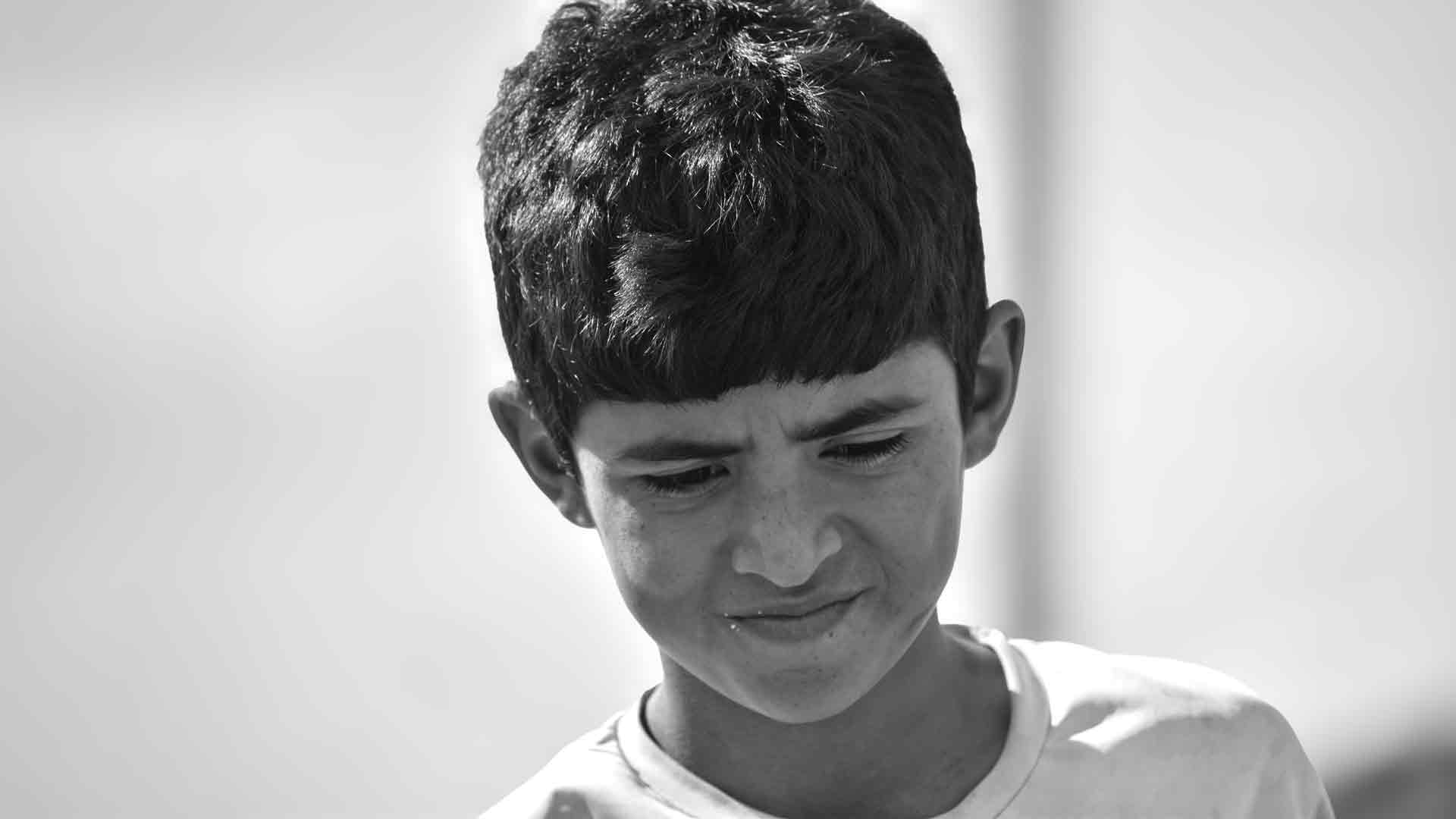
Once you’ve applied capture sharpening, you can use local adjustment tools like the brush or gradient filters to apply targeted sharpening to specific areas of your image. This is where you can truly make certain elements of your photograph stand out. For example, if you’ve captured a portrait, you can use a brush to selectively sharpen the eyes and the face.
Step 4: Final Sharpening for Output
The final step in the sharpening process is to apply a final round of sharpening for the specific output medium. A photograph intended for a large print will require a different level of sharpening than one intended for a small web-sized image.
Black and White Photography in the Middle East and Turkey
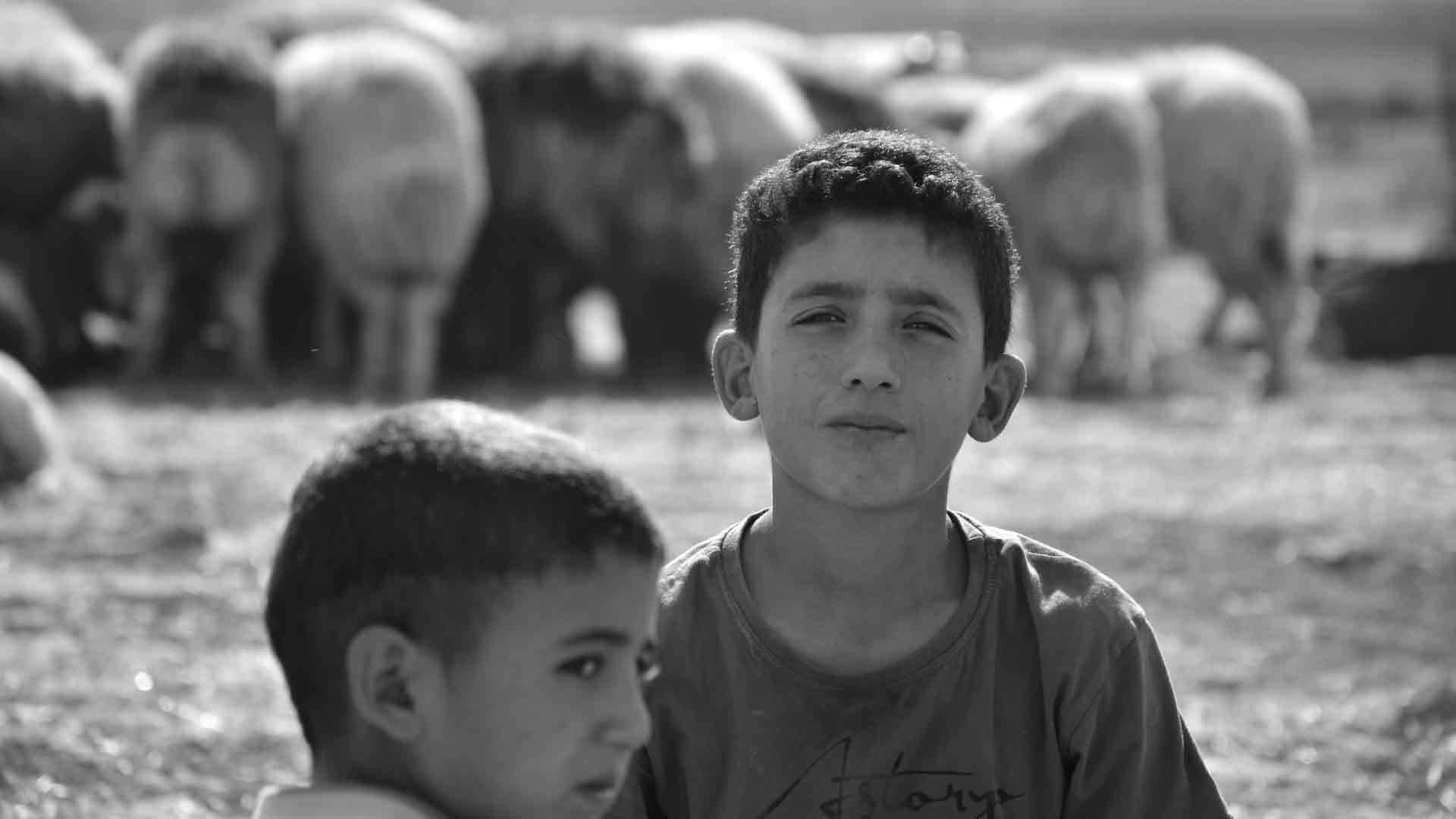
Documentary photography in the Middle East and Turkey is a powerful medium for storytelling. As a photographer in this region, my goal is to capture the essence of its people, culture, and history. My photographs are a testament to the beauty and complexity of this part of the world, and I believe that effective sharpening is key to conveying the richness of these stories.
The Importance of Texture and Tone
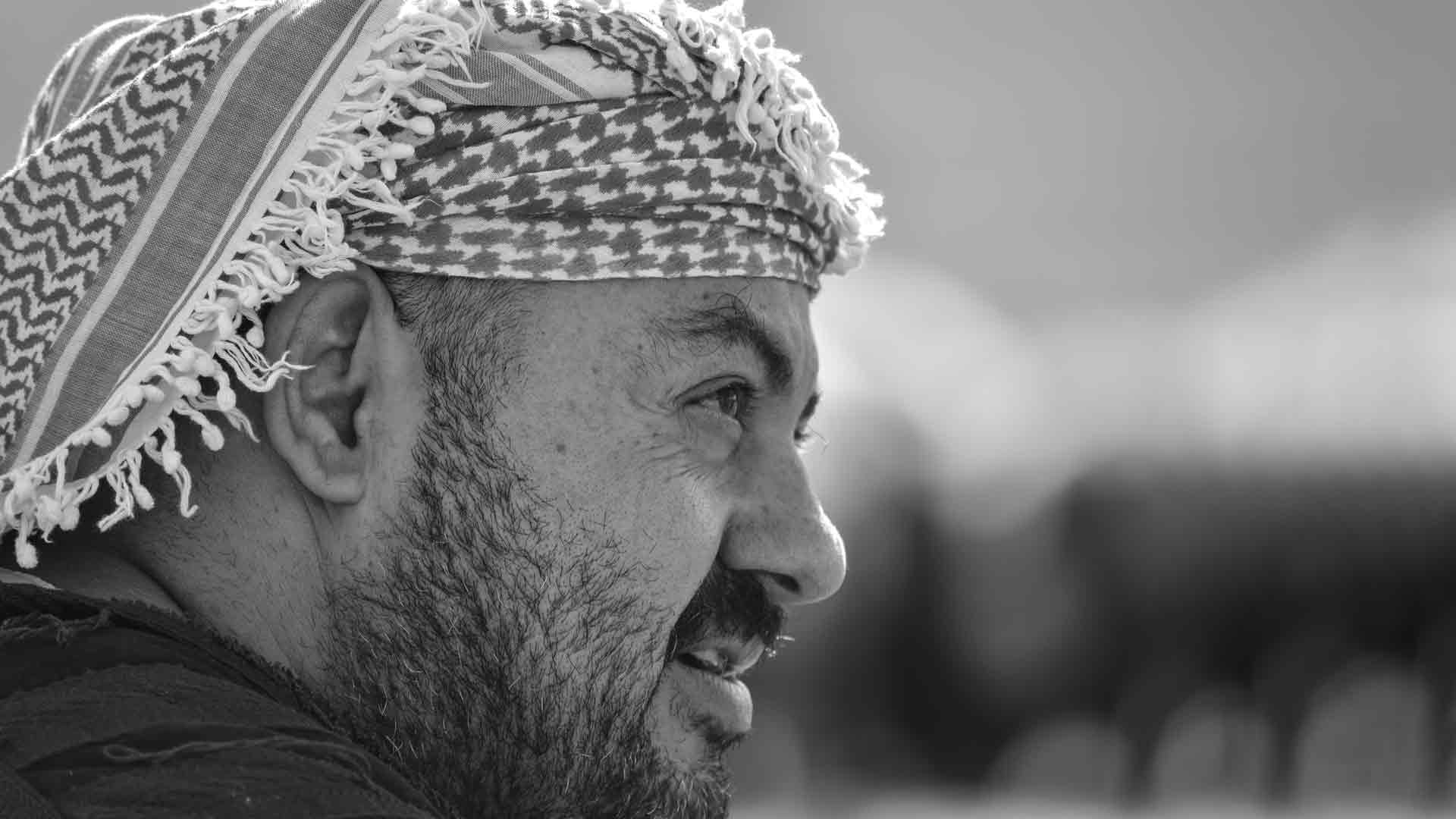
In black and white photography, texture and tone are the primary tools for conveying emotion and atmosphere. Sharpening helps to reveal the subtle textures of a weathered wall, the intricate patterns of a traditional fabric, or the worn lines on a person’s face. These details are not just aesthetic; they are an integral part of the story, providing a tactile sense of the world being photographed.
Case Study: The Streets of Istanbul
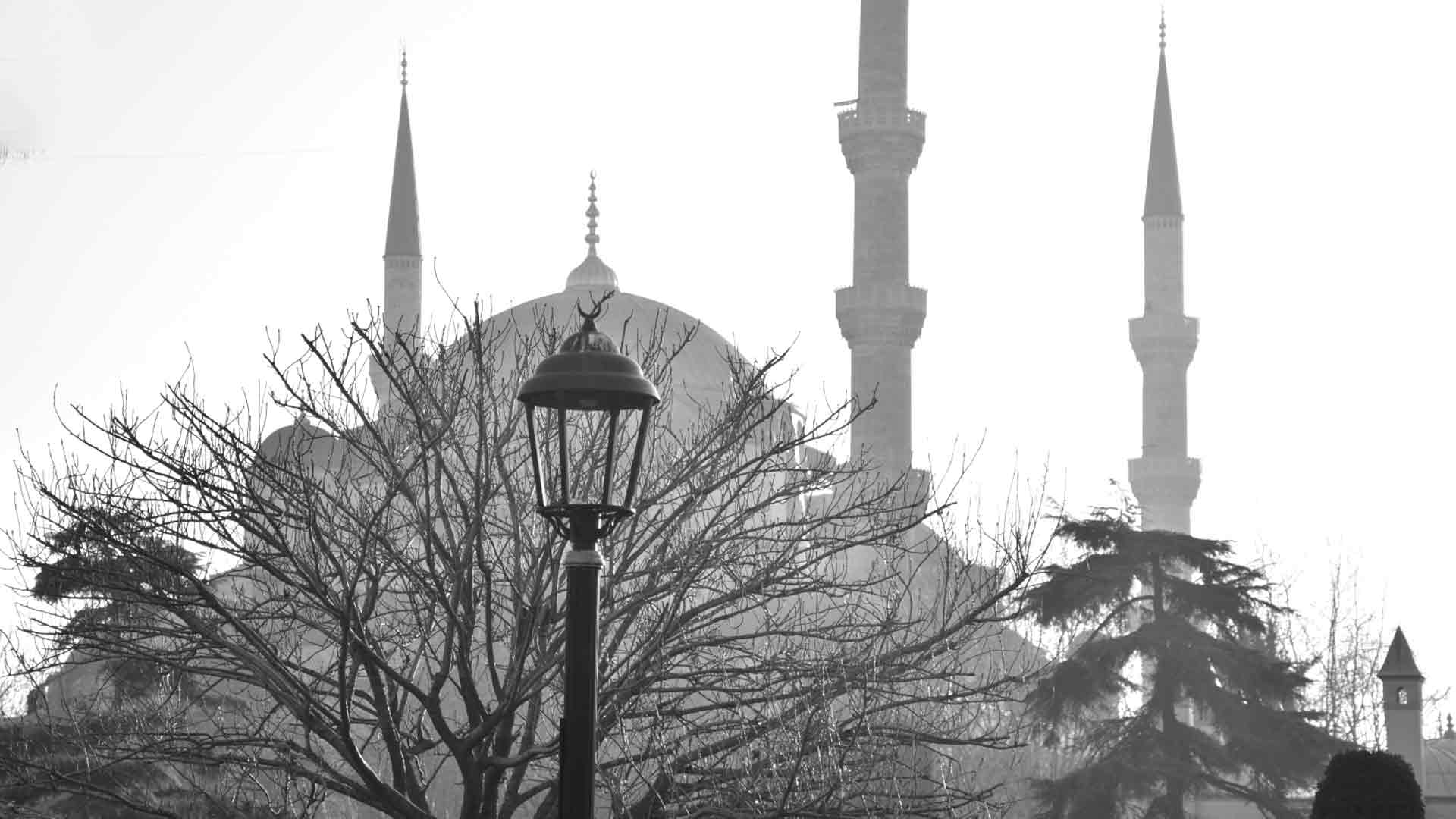
The streets of Istanbul are a dream for a black and white photographer. The city is a vibrant tapestry of ancient history and modern life, and every corner offers a new story to be told. The textures of the old cobblestone streets, the intricate patterns of the mosques, and the expressive faces of the people all become more vivid and impactful when properly sharpened. I’ve found that using a combination of global and local sharpening techniques allows me to highlight the unique character of this city, bringing its timeless stories to life.
My Approach to Documentary Photography
My approach to documentary photography is rooted in a deep respect for my subjects and a commitment to authenticity. I believe that a great documentary photograph is not just a visual record; it’s a window into a person’s soul or a community’s heart. My photographs are a reflection of my personal connection to the Middle East and Turkey, and I strive to capture the beauty, resilience, and humanity that I see every day.
The Role of Light and Shadow
In black and white photography, light and shadow are your best friends. They are the building blocks of composition and mood, and they work in tandem with sharpening to create powerful images. Sharpening can enhance the contrast between light and shadow, making the forms and shapes within the photograph more defined.
A Final Word
Sharpening is more than just a technical adjustment; it’s a creative tool that can elevate your black and white photographs to a new level. By understanding the principles of sharpening and applying them thoughtfully, you can create images that are not only visually striking but also deeply moving. I hope this guide has provided you with the insights you need to take your black and white photography to the next level.
About the Author
I am a professional photographer based in the Middle East and Turkey, specializing in black and white and documentary photography. My work focuses on capturing the rich history, vibrant culture, and human stories of this unique region. Through my lens, I aim to create timeless images that resonate with viewers on a profound level.