
In black and white photography, light isn’t merely a source of illumination; it is the very brush with which you paint, the sculptor that defines form, and the storyteller that sets the mood. Stripped of color, your monochrome image relies entirely on the interplay of highlights, shadows, and the myriad of tones in between – all born from light. For photographers capturing the unique essence of Turkey and the Middle East, understanding and mastering both natural and artificial light sources is paramount. This mastery not only elevates your artistic expression but also enhances your SEO, attracting audiences searching for “black and white Istanbul photography,” “Middle East dramatic light photos,” or “monochrome techniques for arid landscapes.”
Let’s delve into the distinct roles of natural and artificial light, and how to harness each for powerful black and white imagery in this visually rich region.
The Omnipresent Master: Natural Light
Natural light, originating from the sun, is the most accessible and often the most challenging light source. Its quality and direction constantly change with the time of day, weather, and season, offering an endless spectrum of opportunities for monochrome photography.
Advantages of Natural Light for B&W:
- Abundance and Accessibility: It’s free and everywhere, making it ideal for street photography, landscapes, and architectural shots.
- Organic Quality: Natural light often has a beautiful, unpredictable quality that can lead to unique and captivating results, especially in black and white where subtleties are amplified.
- Mood and Atmosphere: The changing nature of natural light inherently creates different moods, from the stark drama of midday sun to the ethereal glow of dawn.
Harnessing Natural Light in Turkey & the Middle East:
- The Golden Hours (Sunrise & Sunset):
- Quality: Low-angle, soft, and warm.
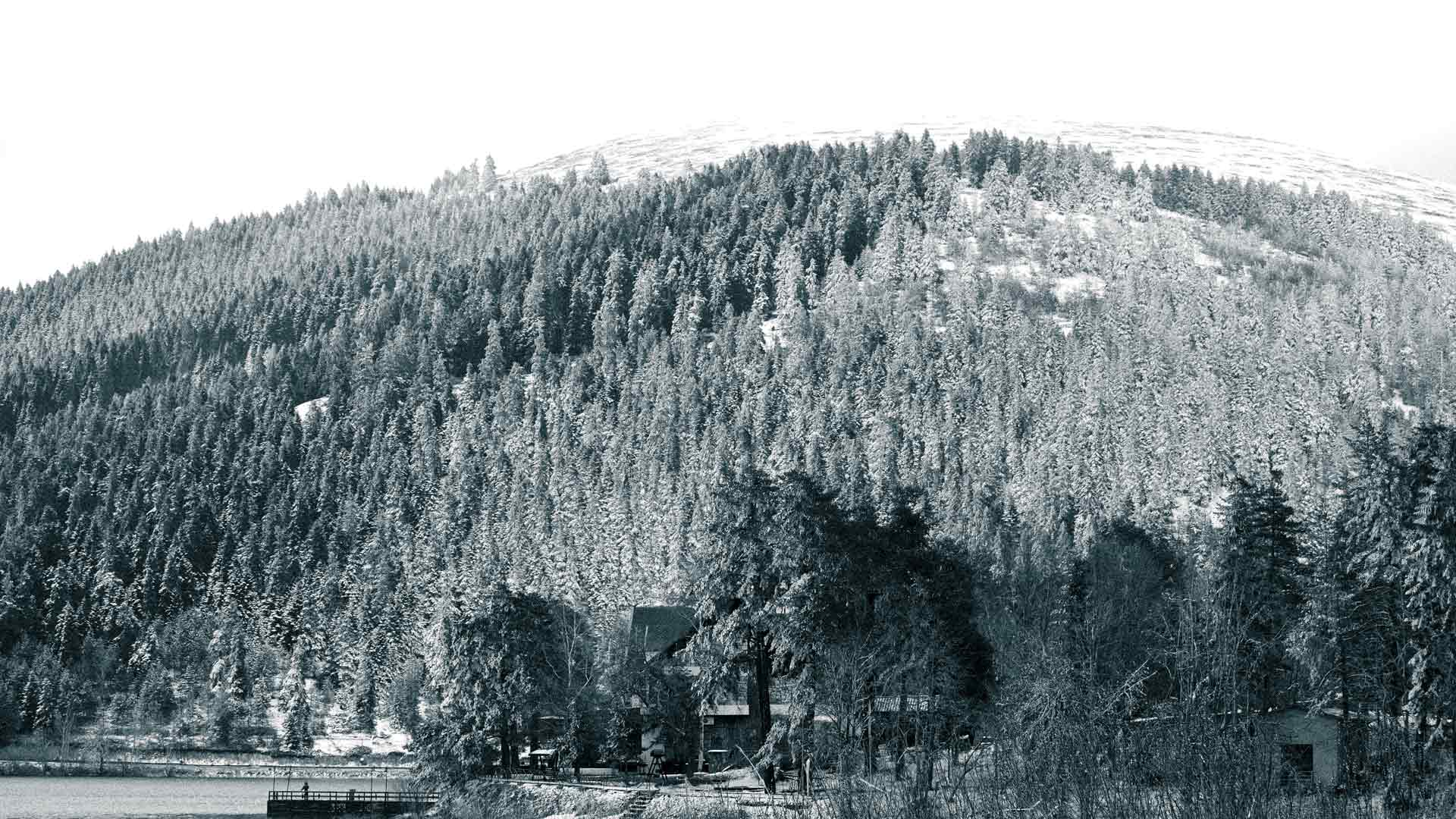
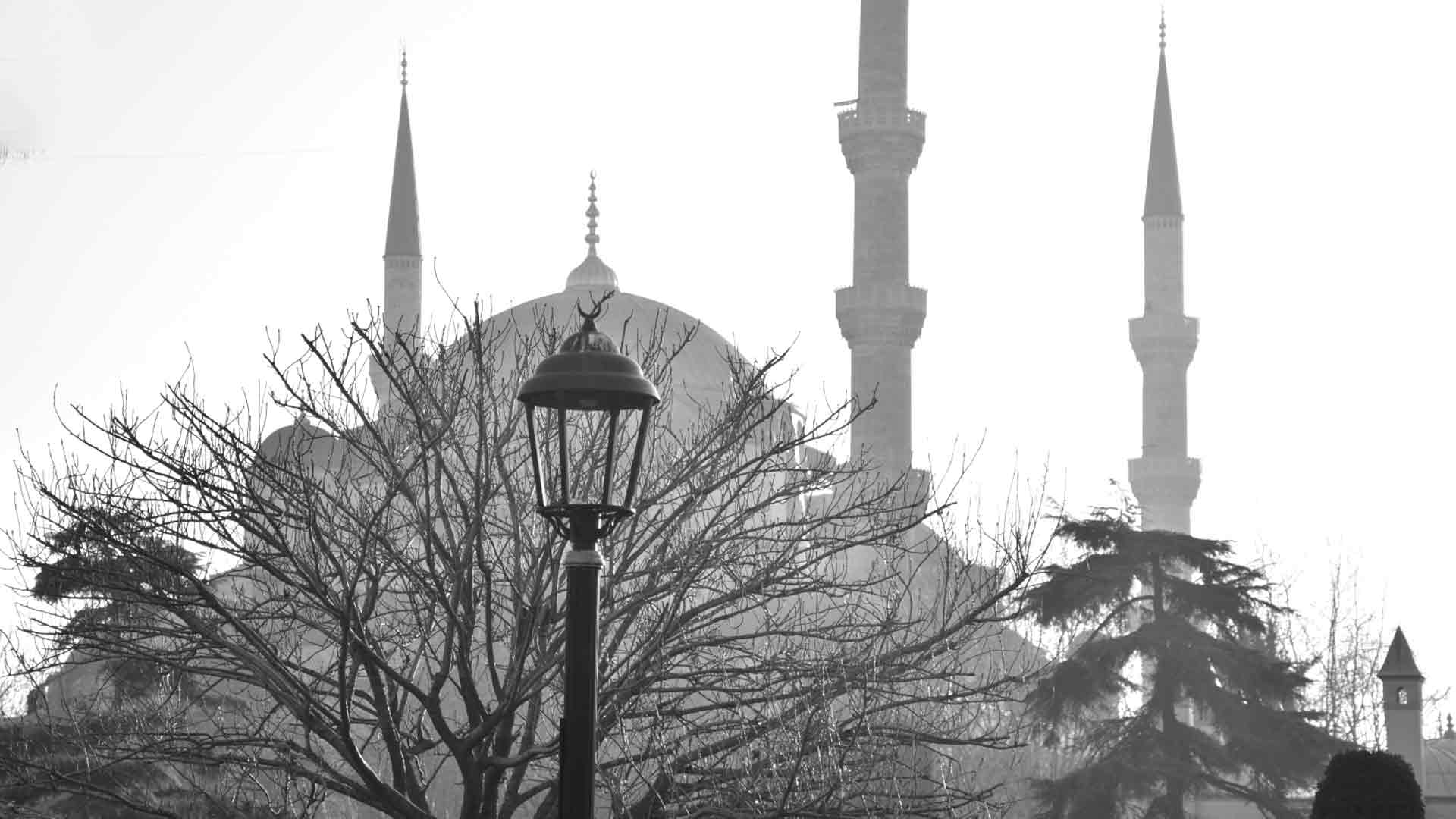
- Monochrome Impact: In black and white, this translates into long, soft shadows and beautiful, gentle tonal transitions. It’s excellent for revealing texture on ancient stone, creating dramatic silhouettes against the horizon, or adding depth to sprawling landscapes. Think of the warm glow on the sandstone structures of Petra or the soft light illuminating the domes of a mosque at dawn. The elongated shadows of minarets or desert dunes become powerful leading lines.
- Midday Sun:
- Quality: High-angle, harsh, and direct.
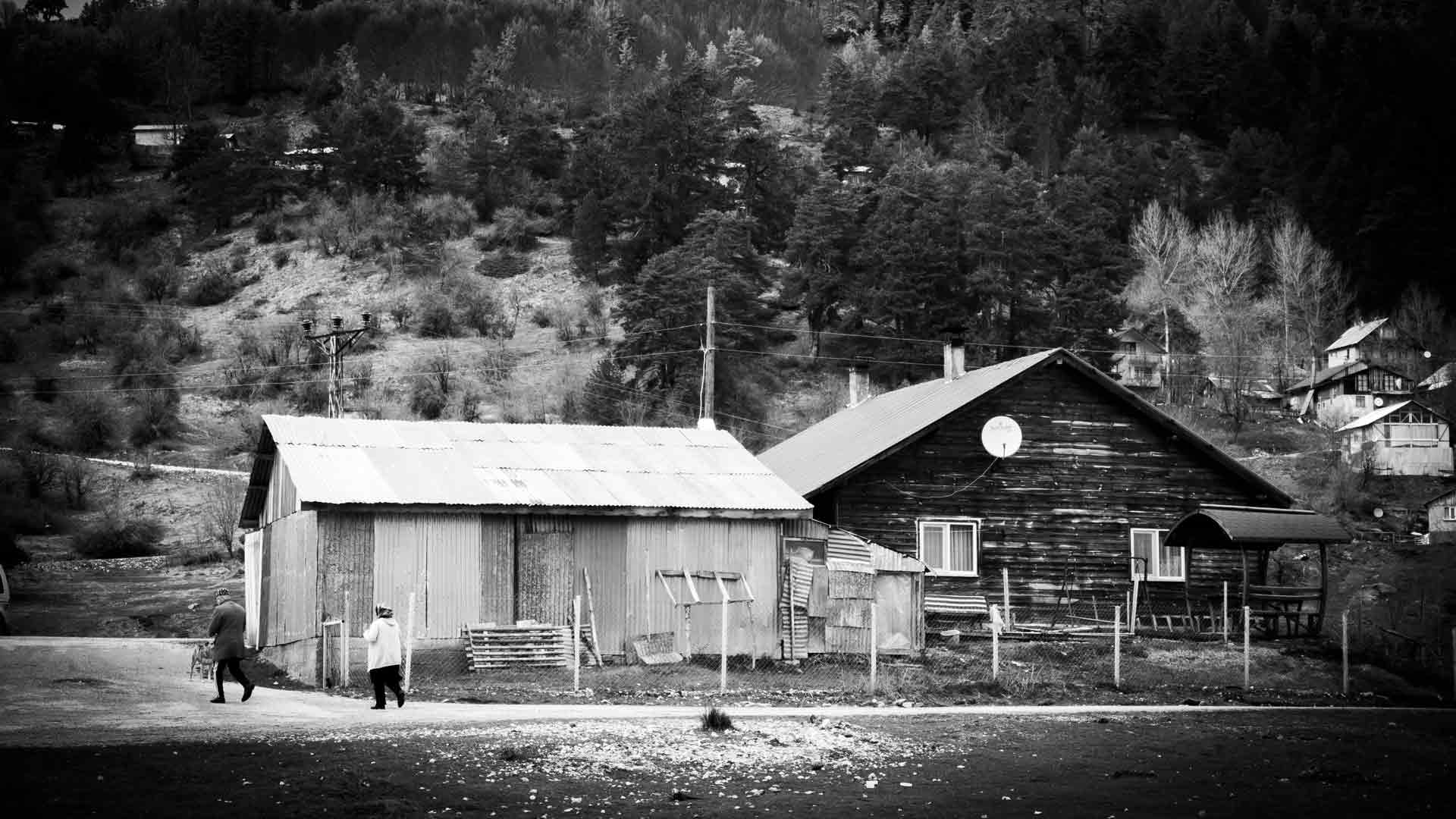
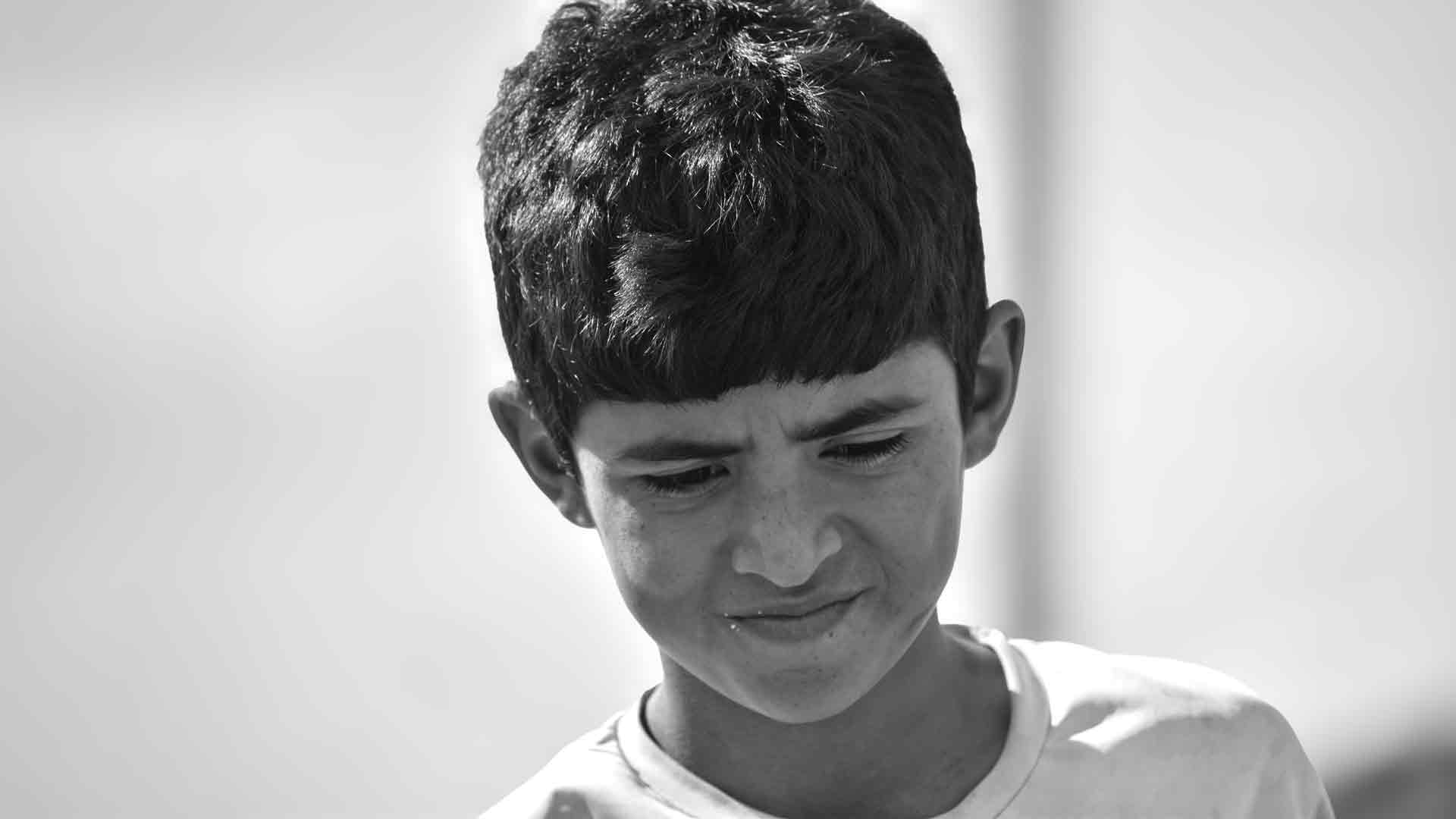
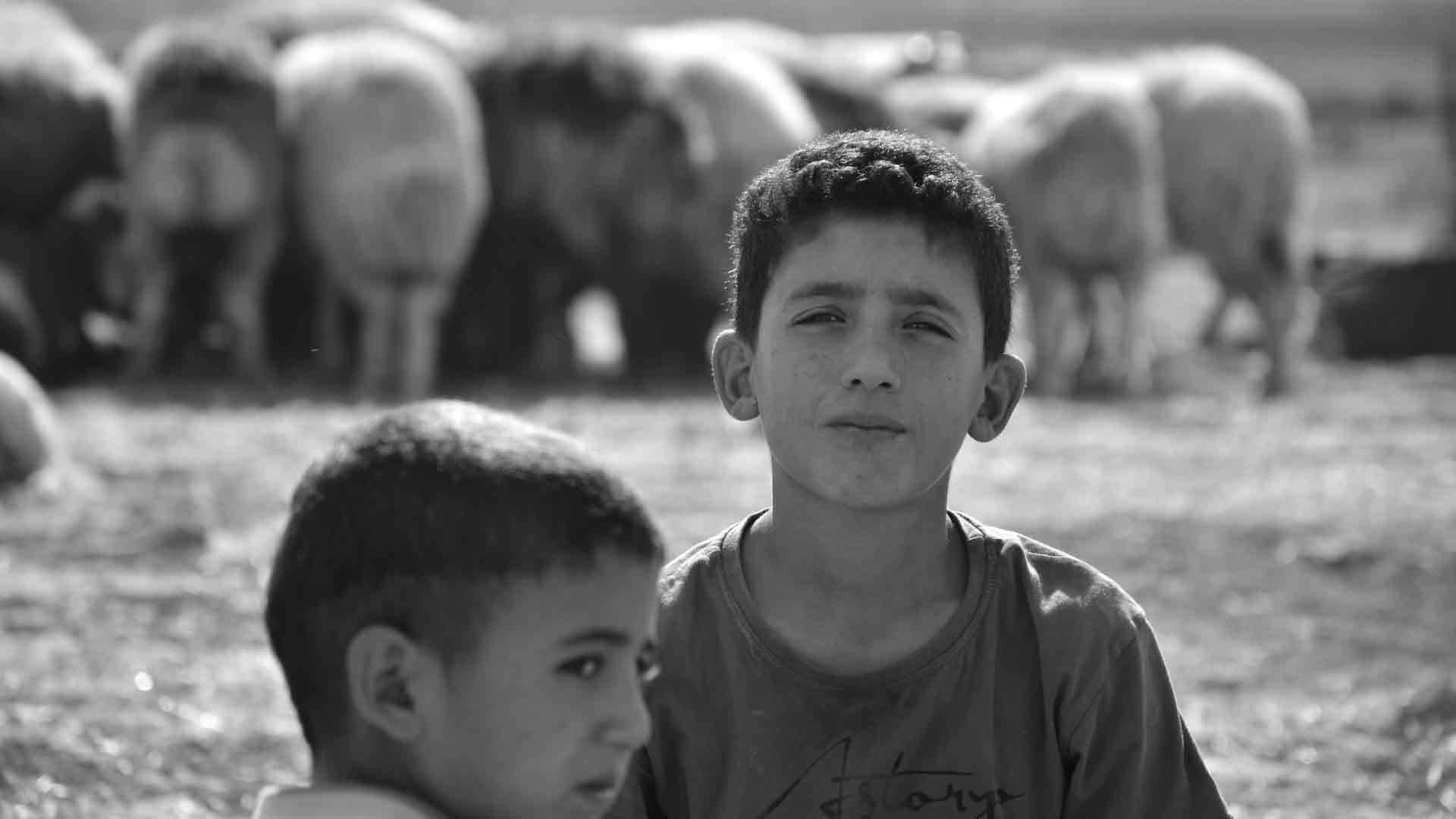
- Monochrome Impact: While often avoided for color due to blown highlights and deep, unflattering shadows on faces, midday sun is a goldmine for high-contrast black and white. It creates strong, graphic shadows that define form, emphasize texture, and build powerful compositions. Think of the crisp shadows cast by architectural elements in Istanbul, the sharp lines on a desert landscape, or the dramatic contrast on a bustling souk floor. This is where you find the raw, unadulterated drama of light and shadow, perfect for abstract compositions and bold statements.
- Overcast Days:
- Quality: Diffused, soft, and even.
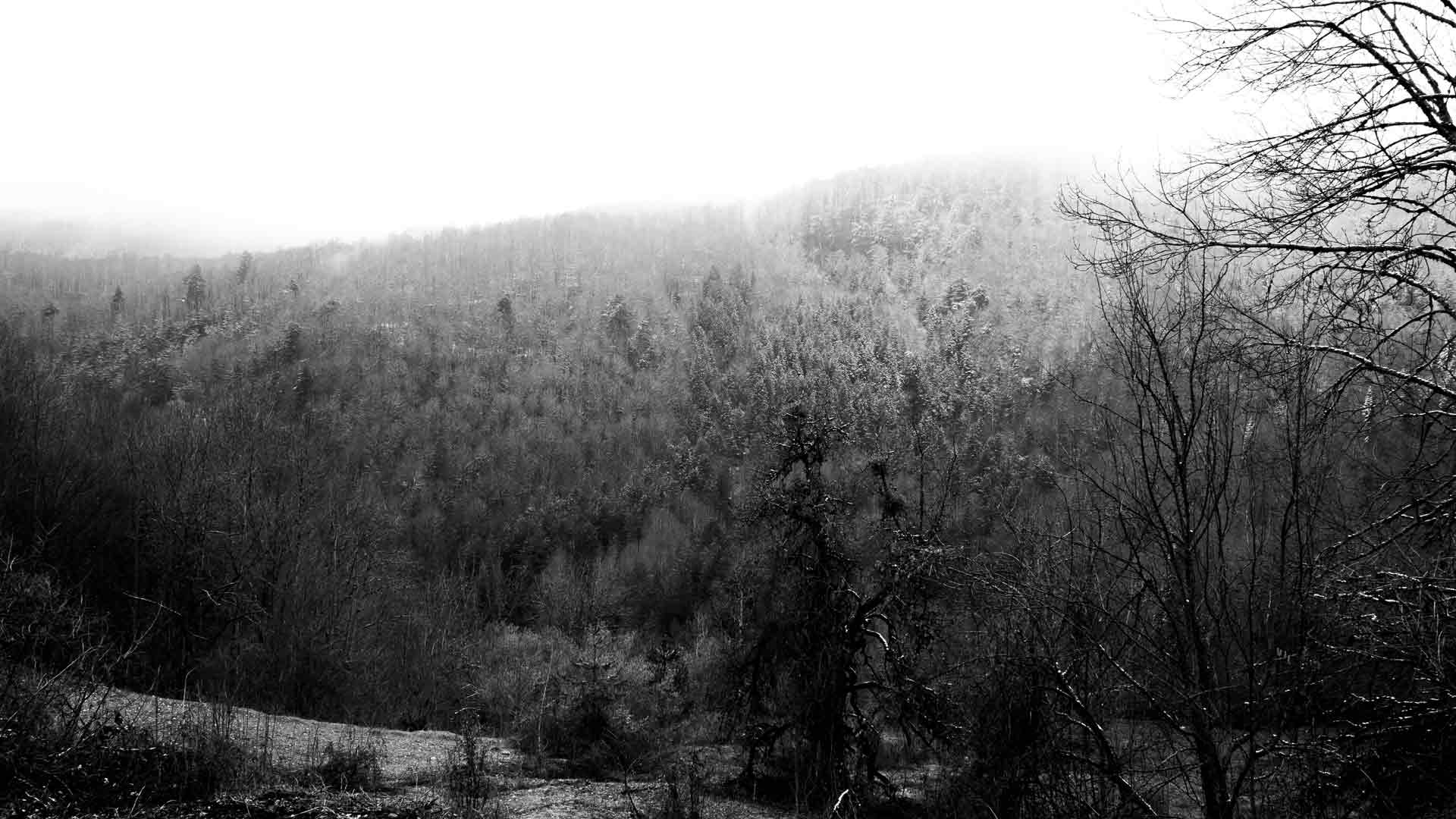
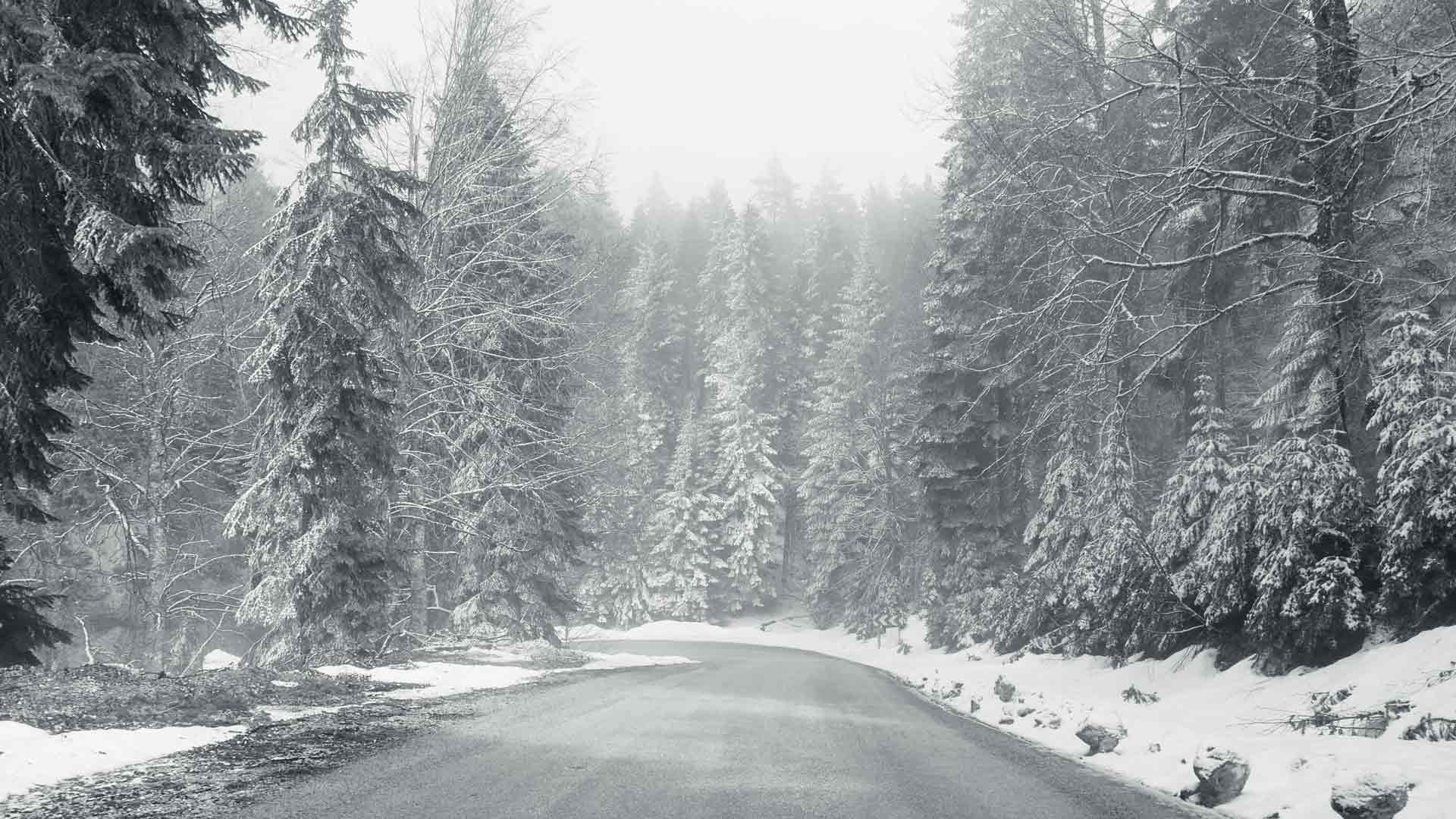
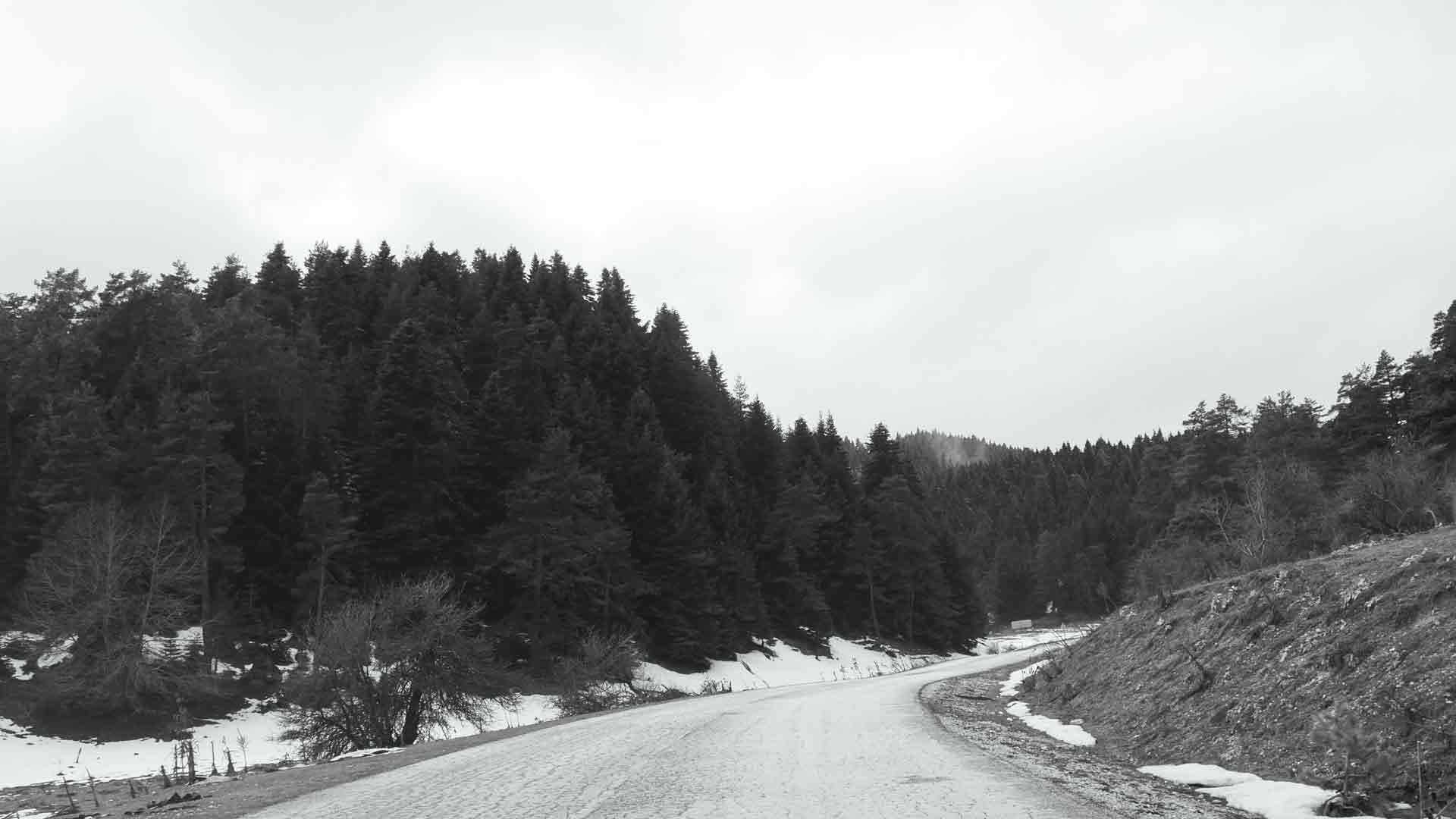
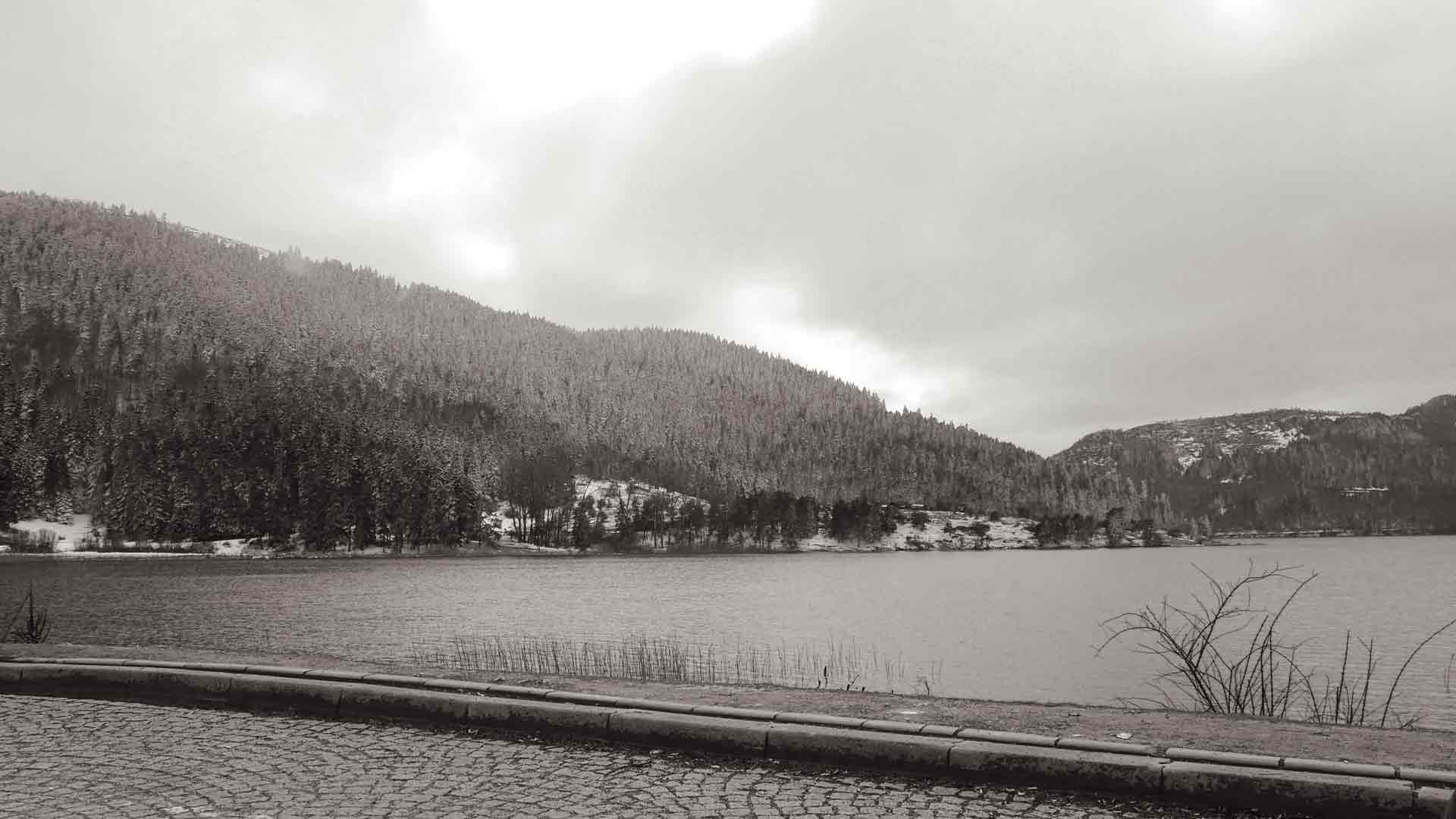
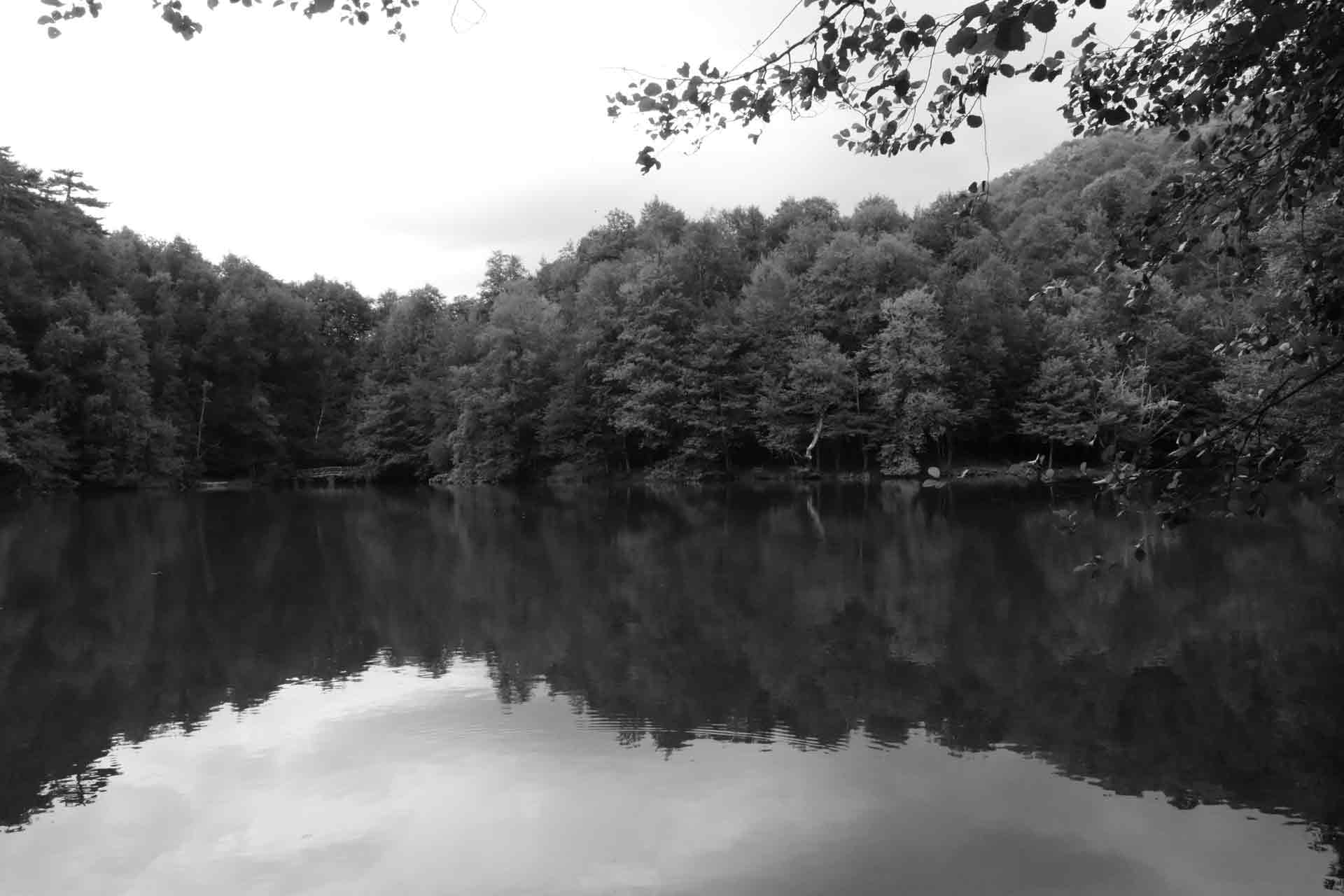
- Monochrome Impact: On overcast days, the sky acts like a giant softbox, eliminating harsh shadows and bright highlights. This results in a narrower tonal range but with incredibly rich mid-tones. It’s fantastic for revealing subtle textures, capturing intricate details on subjects like fabrics or weathered surfaces, or for moody, atmospheric shots. The intricate patterns in a Turkish carpet or the detailed carvings on an old wooden door will truly sing under this light.
- Window Light:
- Quality: Soft, directional, and often diffused (especially through sheer curtains or frosted glass).
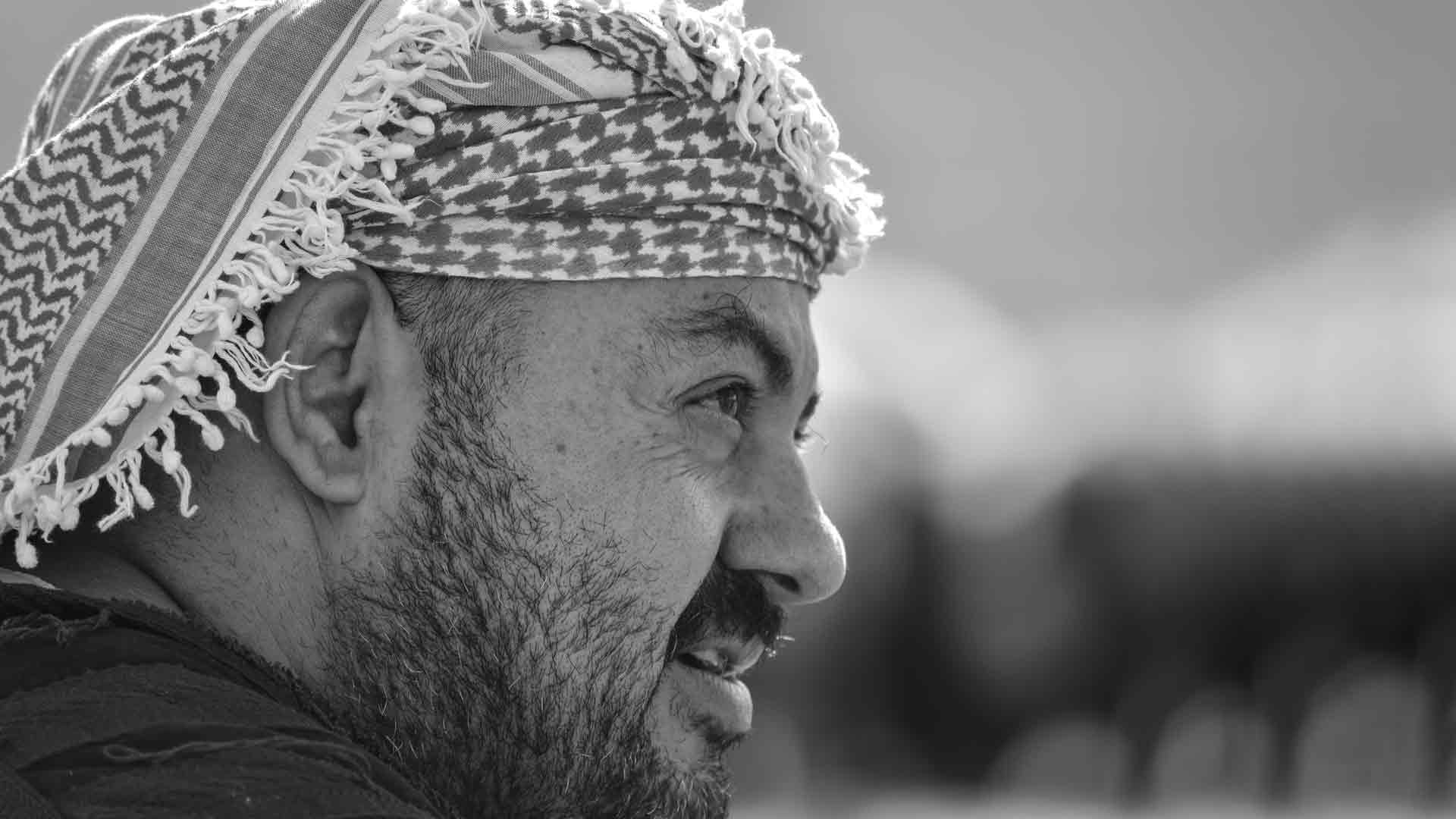
- Monochrome Impact: Inside buildings or homes, window light offers a beautifully controlled natural light source. It can create gentle gradations across faces for portraits, highlight textures on objects near the window, or cast intriguing shadows across interiors. This is perfect for intimate portraits or still life compositions that require subtle tonal shifts.
The Controlled Creator: Artificial Light
Artificial light encompasses any human-made light source, from studio strobes and continuous lights to streetlights, shop signs, and even the glow of mobile phones. While often associated with controlled studio environments, its role in black and white extends powerfully into street and architectural night photography.
Advantages of Artificial Light for B&W:
- Control: This is its biggest advantage. You control intensity, direction, spread, and color temperature (though color temperature is less critical for B&W, it affects the initial RAW data).
- Consistency: Unlike natural light, artificial light sources offer consistent output, allowing for repeatable results.
- Creative Potential: Artificial light allows you to create specific moods, emphasize particular elements, and paint with light in ways natural light often cannot.
Harnessing Artificial Light in Turkey & the Middle East:
- Streetlights and Urban Glow (Night Photography):
- Monochrome Impact: The scattered pools of light from streetlights, the glow of shop windows, and the streaks of car headlights create dramatic contrast and compelling leading lines in urban nightscapes. The juxtaposition of brightly lit areas against deep shadows is inherently powerful in black and white. Think of the illuminated minarets against a dark night sky, or the dynamic interplay of light and shadow in a bustling night bazaar. Long exposures can transform moving lights into ethereal streaks.
- Indoor Lighting (Shops, Cafes, Homes):
- Monochrome Impact: Interior artificial lighting, whether from lamps, overhead lights, or even a single light source, can create a specific ambiance. Look for directional light that sculpts faces in portraits, highlights textures on furniture, or casts interesting shadows. The warm glow of a traditional Turkish teahouse interior, broken by pockets of shadow, can be incredibly evocative in monochrome.
- Studio/Controlled Lighting:
- Monochrome Impact: For more controlled settings, like portraits or product photography, studio strobes or continuous lights offer ultimate precision. You can meticulously shape light and shadow to define form, emphasize texture, and create specific dramatic effects. Using modifiers like softboxes or grids allows you to control the harshness and spread of light, leading to precise tonal control. This is ideal for bringing out the intricate details of traditional crafts or the nuanced expressions in a formal portrait.
- Mixed Lighting:
- Monochrome Impact: Sometimes, the most compelling scenes arise from a mix of natural and artificial light. The twilight hour, for instance, where the last vestiges of natural light mingle with the first streetlights, offers a rich, complex tonal palette perfect for black and white exploration.
The Interplay: When to Choose Which
- For Grandeur and Timelessness: Often, natural light (especially golden hour or harsh midday sun) is your go-to for vast landscapes, historical architecture, and scenes that emphasize the passage of time. Its organic nature lends itself to a classic, timeless feel in black and white.
- For Drama and Control: When you want to sculpt specific elements, create high-impact contrast in urban environments, or work in low-light conditions, artificial light becomes indispensable. It allows for precision and the creation of very specific moods.
- For Texture and Detail: Both raking natural light and controlled artificial light (like a focused spotlight) are excellent for bringing out texture. The key is to have the light skim across the surface rather than hit it head-on.
SEO Benefits: Lighting Up Your Content
By explicitly discussing and demonstrating the role of different light sources in your black and white photography, you create highly valuable content for your audience in Turkey and the Middle East. Use targeted keywords in your article and image descriptions:
- “Natural light B&W photography Istanbul”
- “Artificial light monochrome techniques Middle East”
- “Dramatic shadows in Turkish street photography”
- “Golden hour black and white landscapes”
- “Night photography B&W Middle East”
Highlighting how different lighting conditions affect your monochrome results not only educates your readers but also positions your blog as a knowledgeable resource for black and white photography enthusiasts in the region.
Conclusion
In black and white photography, light is not a given; it is a deliberate choice, a powerful tool that shapes every aspect of your image. Whether you’re harnessing the dramatic, ever-changing qualities of natural light over the historical landscapes of Turkey and the Middle East, or meticulously crafting scenes with the precision of artificial illumination in its vibrant cities, your understanding of light will define your monochrome masterpieces. By mastering both, you unlock an endless array of creative possibilities, allowing your black and white photographs to tell compelling stories, evoke deep emotions, and truly resonate with the timeless spirit of this extraordinary region. So, pick up your camera, study the light, and let its dance with shadow transform your vision into unforgettable monochrome art.